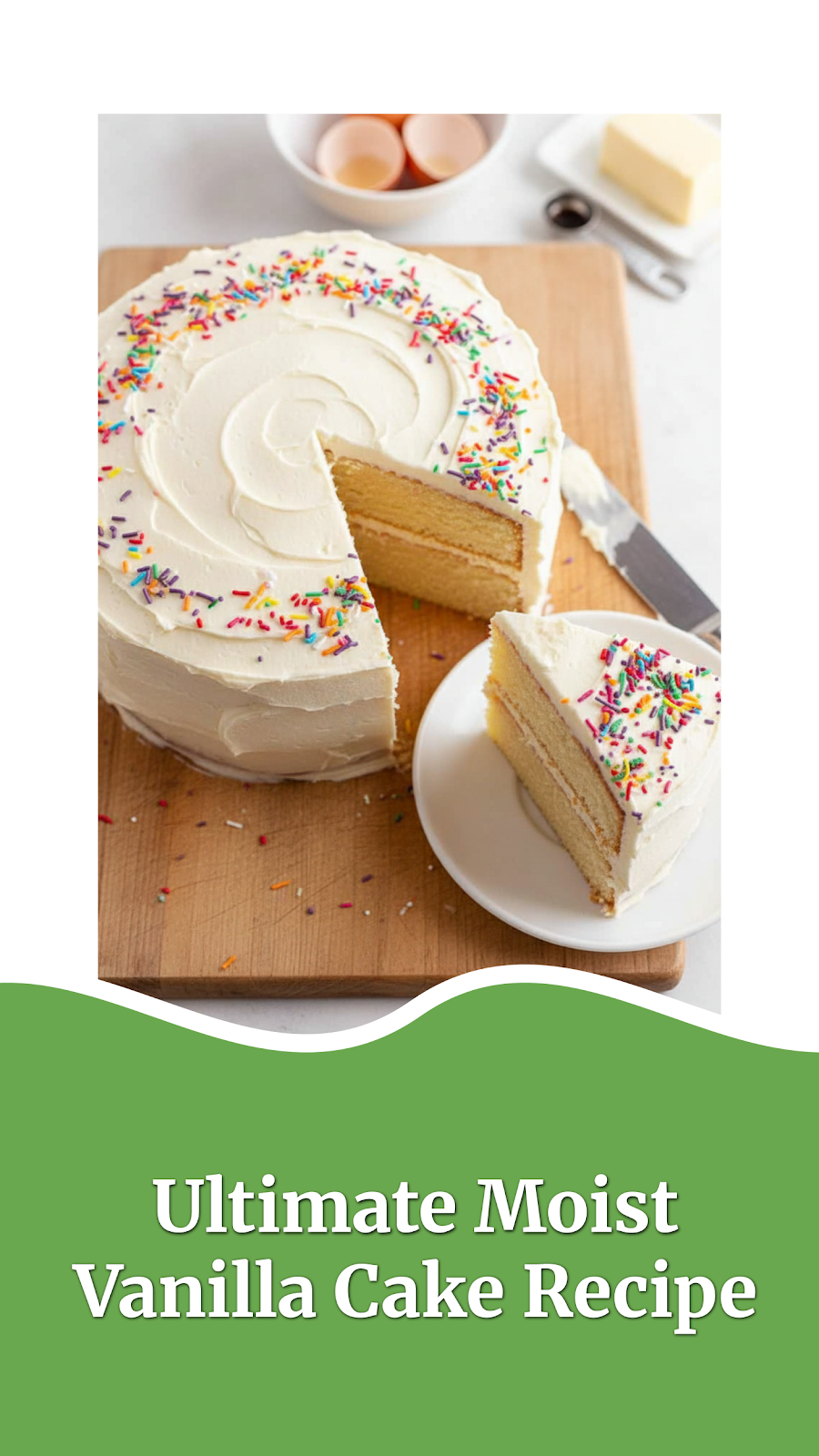
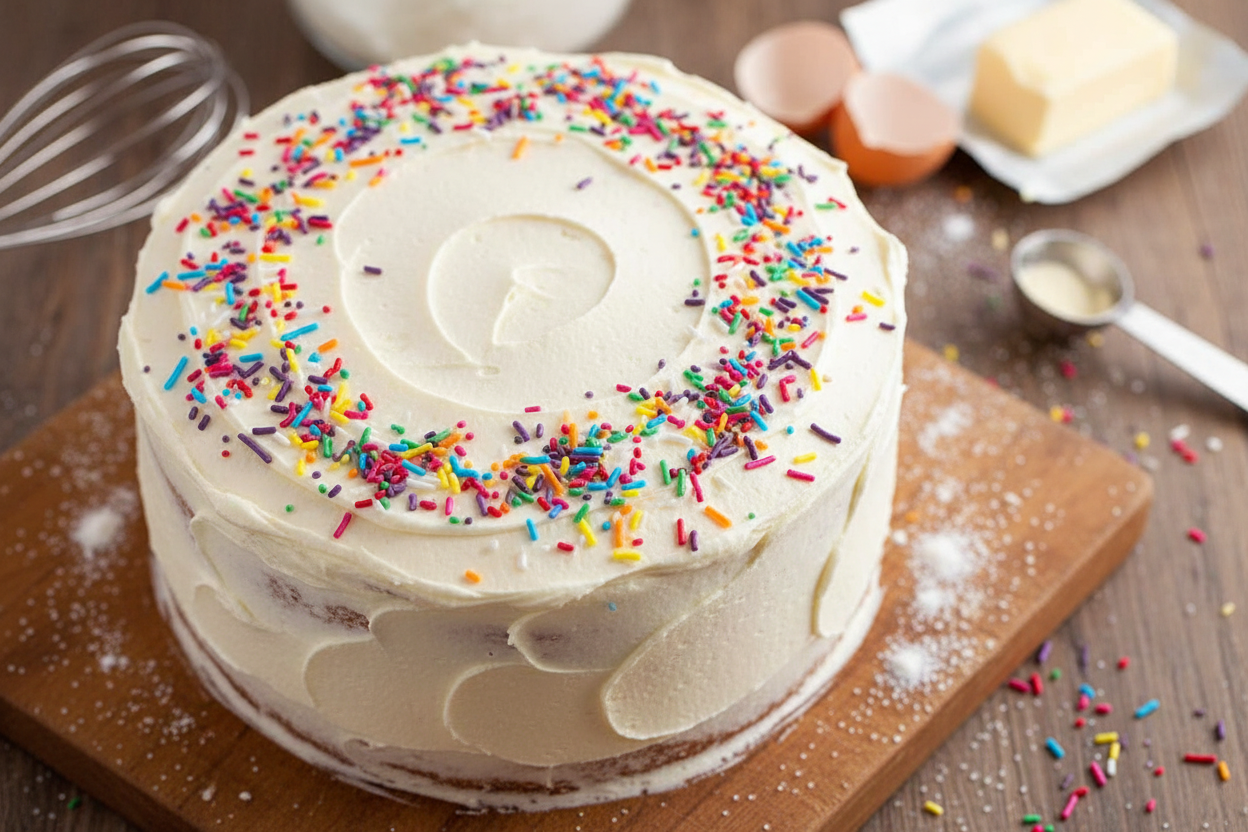
Introduction
Cake baking is both an art and a science, where precise measurements and quality ingredients play critical roles in achieving the desired outcome. Whether you’re a novice baker or an experienced pastry chef, understanding the importance of each ingredient can elevate your cake from ordinary to extraordinary. In this article, we’ll delve into the key components of a delicious cake recipe, with detailed explanations of each ingredient and its impact on flavor, texture, and overall success.
Detailed Ingredients with measures
– 2 cups plain / all-purpose flour (cake flour is also acceptable)
– 2 1/2 teaspoons baking powder (make sure it’s still active)
– 1/4 tsp cooking salt (kosher salt recommended)
– 4 large eggs (50 – 55g / 2 oz each), at room temperature
– 1 1/2 cups caster sugar / superfine sugar (regular granulated sugar can also be used)
– 115g / 1/2 cup unsalted butter, cut into 1.5cm / 1/2” cubes
– 1 cup full-fat milk
– 3 tsp vanilla extract, preferably of high quality
– 3 tsp vegetable or canola oil
Vanilla Buttercream:
– 225g / 2 sticks unsalted butter, softened
– 500g / 1 lb soft icing sugar / powdered sugar, sifted
– 3 tsp vanilla extract
– 2 – 4 tbsp milk, as needed to adjust thickness
Prep Time
Preparation for this cake recipe involves gathering all the ingredients and tools needed for baking. Make sure all ingredients are at room temperature for optimal mixing and rising.
Cook Time, Total Time, Yield
– Cook Time: Approximately 30 minutes
– Total Time: Including prep, around 1 hour
– Yield: This recipe makes enough batter for two 20cm / 8” cake pans, potentially serving about 10 individuals depending on portion size.
By understanding each ingredient’s purpose in the baking process, you can ensure a successful cake every time. Whether you choose to frost it with buttercream or enjoy it plain, knowing how to balance flavors and textures will make your baking endeavors rewarding.
Detailed Directions and Instructions
Preheat the Oven
Preheat your oven to 180°C/350°F (160°C if using a fan oven) at least 20 minutes before starting the batter. Adjust the shelf to the middle of the oven.
Prepare the Cake Pans
Grease two 20cm (8”) cake pans with unsalted butter. Line the bases with parchment or baking paper. Avoid using pans with a loose base to prevent leakage.
Mix Dry Ingredients
In a large bowl, whisk together 2 cups of flour, 2 1/2 teaspoons of baking powder, and 1/4 teaspoon of kosher salt. Set the mixture aside.
Beat Eggs and Sugar
Using a stand mixer fitted with a whisk attachment or a hand beater, beat 4 large eggs on speed 6 for 30 seconds. Slowly add 1 1/2 cups of caster sugar over the next 45 seconds. Increase the speed to 8 and beat for about 7 minutes until the mixture is tripled in volume and white.
Heat Milk and Butter
While the eggs are being beaten, microwave 1/2 cup of unsalted butter and 1 cup of full-fat milk in a heatproof jug for about 2 minutes on high, until the butter is melted.
Incorporate Flour
Once the eggs are whipped, add the flour mixture in three batches. Beat on speed 1 for about 5 seconds after each addition. Stop beating once the flour is just incorporated.
Temper the Milk Mixture
In a separate bowl, combine the hot milk, 3 teaspoons of vanilla extract, and 3 teaspoons of vegetable oil. Slowly add about 1 1/2 cups of the cake batter into this mixture, whisking until smooth.
Add the Milk Mixture to Cake Batter
With the mixer on speed 1, pour the milk mixture back into the cake batter over approximately 15 seconds. Turn off the mixer and scrape down the sides and base of the bowl. Beat for an additional 10 seconds until smooth and pourable.
Prepare for Baking
Divide the batter evenly between the prepared cake pans (approximately 560g per pan). To remove large bubbles, gently tap each pan on the counter three times.
Bake the Cakes
Place the pans in the oven and bake for about 30 minutes or until golden brown. A toothpick inserted into the center should come out clean.
Cool the Cakes
Remove the cakes from the oven and let them cool in the pans for 15 minutes. Carefully invert them onto cooling racks. If using as layer cakes, allow them to cool upside down.
Prepare Vanilla Buttercream
In a stand mixer, beat 225g (2 sticks) of softened unsalted butter on high for 3 minutes until pale and fluffy. Gradually mix in 500g (1 lb) of sifted icing/powdered sugar in three parts, beating slowly at first to prevent a sugar cloud. Once mostly combined, beat on high for 3 minutes until fluffy.
Finish Buttercream
Add 3 teaspoons of vanilla extract and between 2 to 4 tablespoons of milk to adjust the thickness as needed. Beat for an additional 30 seconds until the buttercream is soft but holds its form.
Frost the Cakes
Once the cake layers are completely cool, frost with the buttercream or your desired frosting. You can also use cream and fresh berries or jam for a different topping.
Notes
Note 1
Using cake flour is acceptable, but plain/all-purpose flour may yield better flavor and texture.
Note 2
Ensure that your baking powder is not past its expiry date, as it is crucial for proper cake rise. Caster/superfine sugar dissolves better than regular sugar.
Note 3
Use eggs at room temperature for better aeration when whipped.
Note 4
Check your baking powder’s effectiveness if you’re uncertain of its potency.
Note 5
Full-fat milk is recommended for a tender crumb; do not substitute with non-dairy milk.
Note 6
Opt for high-quality vanilla extract for better flavor.
Note 7
A small amount of oil can enhance the tenderness and moisture of the cake.
Note 8
It’s recommended to preheat the oven for 30 minutes to maintain consistent heat.
Note 9
For various cake pans and sizes, adjusting baking times is essential, as indicated in the recipe.
Note 10
Banging the pans on the counter helps eliminate large air bubbles that cause imperfections in the cake.
Note 11
Do not reduce sugar as it is necessary for proper aeration and texture.
Note 12
Be mindful of differing cup and tablespoon sizes in various countries, using weights for accuracy when possible.
Note 13
Store cakes properly wrapped to maintain freshness, keeping it at room temperature unless in hot conditions.
Note 14
In case the frosting becomes too soft, refrigerate briefly and re-whip to restore texture.
Note 15
Nutritional information is based on assumptions of serving size and ingredients.
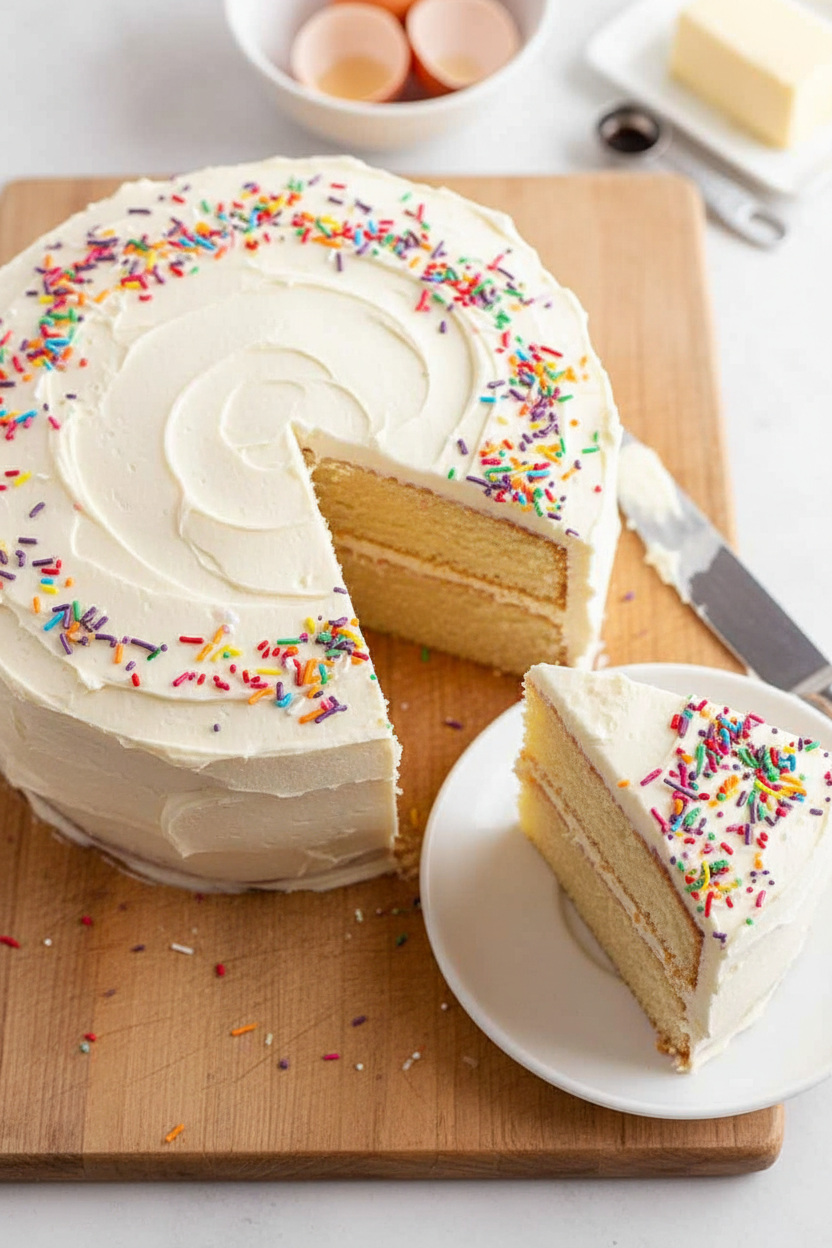
Cook techniques
Measuring Ingredients
Ensure all ingredients are accurately measured using appropriate measuring cups and scales for precision.
Preheating the Oven
Always preheat the oven for at least 20-30 minutes before baking to ensure even cooking and optimal rise.
Whisking Eggs
Beat eggs at high speed to aerate and increase volume, which is crucial for a light and fluffy cake texture.
Tempering Hot Ingredients
When adding hot milk and butter to the batter, temper the mixture first with a small amount of batter to stabilize the temperature.
Layering Ingredients
Incorporate dry ingredients gradually into the wet mixture to avoid overmixing, which can lead to a dense cake.
Knocking Out Air Bubbles
Bang the cake pans on the counter to burst large air bubbles that can affect the surface appearance of the cake.
Baking Time and Testing
Bake until golden and a toothpick inserted into the center comes out clean, indicating the cake is fully cooked.
Cooling Techniques
Allow cakes to cool in the pans for 15 minutes before transferring to racks to prevent breakage and maintain shape.
Frosting Application
Let the cake cool completely before frosting to avoid melting the frosting. Use a smooth, uniform layer for an appealing finish.
FAQ
Can I use a different type of flour?
You can use cake flour, but all-purpose flour typically yields better flavor and texture.
How can I tell if my baking powder is still active?
Mix a spoonful of baking powder with hot water; if it bubbles vigorously, it’s still good.
Why do I need room temperature eggs?
Room temperature eggs whip better, leading to a fluffier cake.
Can I substitute milk with a non-dairy alternative?
It’s best not to substitute with non-dairy milks as they can alter the texture of the cake.
How should I store the cake after baking?
Wrap the cooled cake in cling wrap and store in an airtight container at room temperature or in the freezer for longer storage.
What should I do if my frosting is too soft?
Refrigerate the frosting briefly to firm it up, then re-whip to restore the fluffy texture.
Is it necessary to sift the powdered sugar for the frosting?
Yes, sifting prevents lumps and ensures a smooth frosting consistency.
How long can I keep the cake and frosting?
Wrapped unfrosted cake can last for 4 days, while frosted cake stays fresh for about a week.
Conclusion
The delicious cake made with these ingredients is perfect for any occasion. The combination of eggs, flour, sugar, and creamy butter creates a light and fluffy texture that tantalizes the taste buds. With the right secrets in preparation and baking, this cake can be a delightful centerpiece at your events.
Chocolate Cake
Replace some flour with cocoa powder to create a rich chocolate flavor.
Carrot Cake
Incorporate grated carrots and spices like cinnamon to add warmth and sweetness.
Lemon Cake
Add lemon zest and juice for a bright, zesty flavor, perfect for spring celebrations.
Almond Cake
Substitute almond extract for vanilla and incorporate ground almonds for a nutty twist.
Red Velvet Cake
Mix in cocoa powder and red food coloring for a striking red velvet treat.
Coconut Cake
Infuse coconut milk and shredded coconut to create a tropical, moist cake.
Maple Cake
Use maple syrup instead of sugar for a natural sweetness and caramel flavor.
Spiced Pumpkin Cake
Add pumpkin puree and warm spices like nutmeg and ginger for a seasonal delight.
Berry Layer Cake
Incorporate fresh or frozen berries into the batter for added flavor and texture.
Cheesecake Layer Cake
Add a layer of cheesecake between the cake layers for an indulgent combination.