Introduction
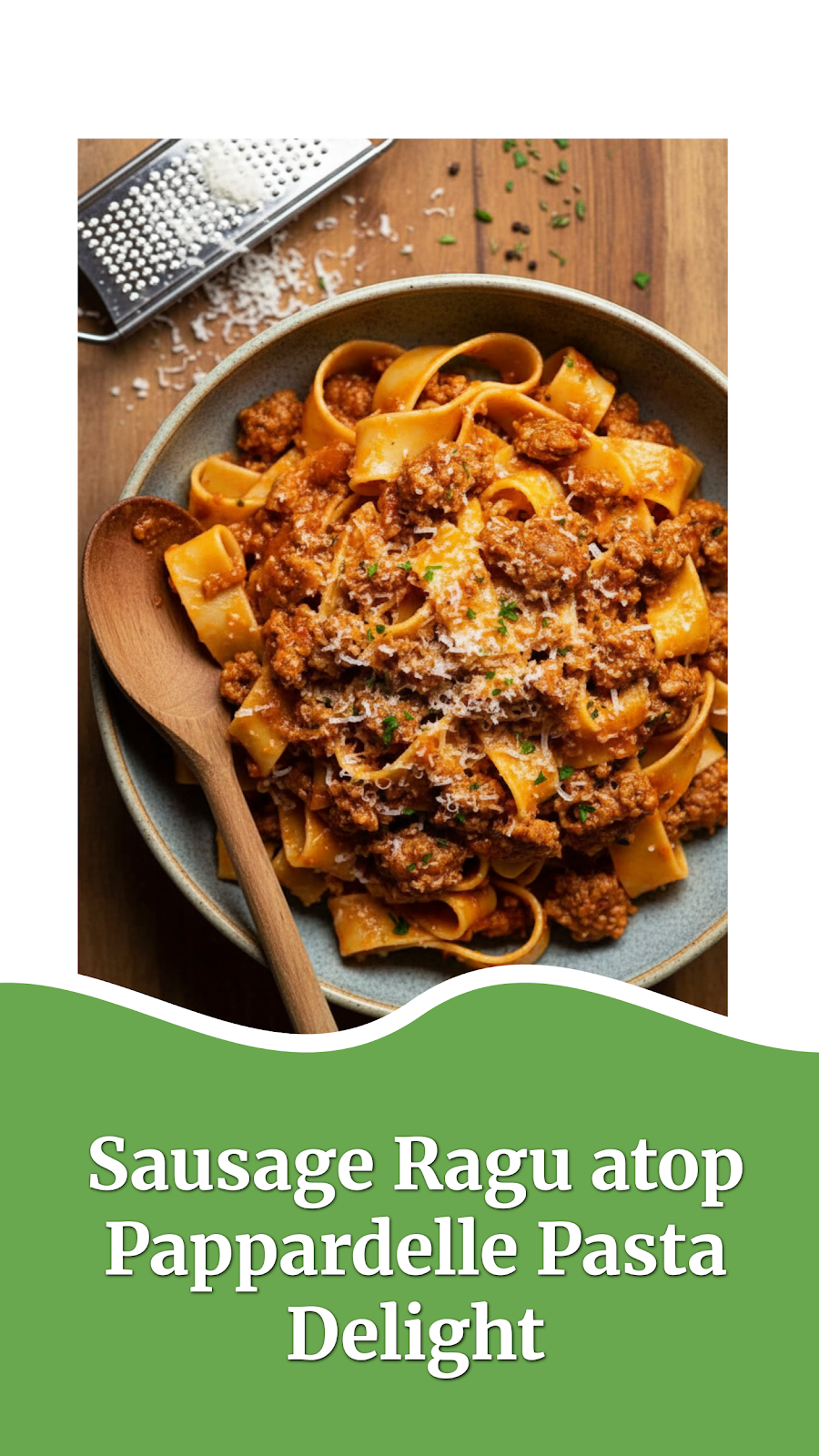
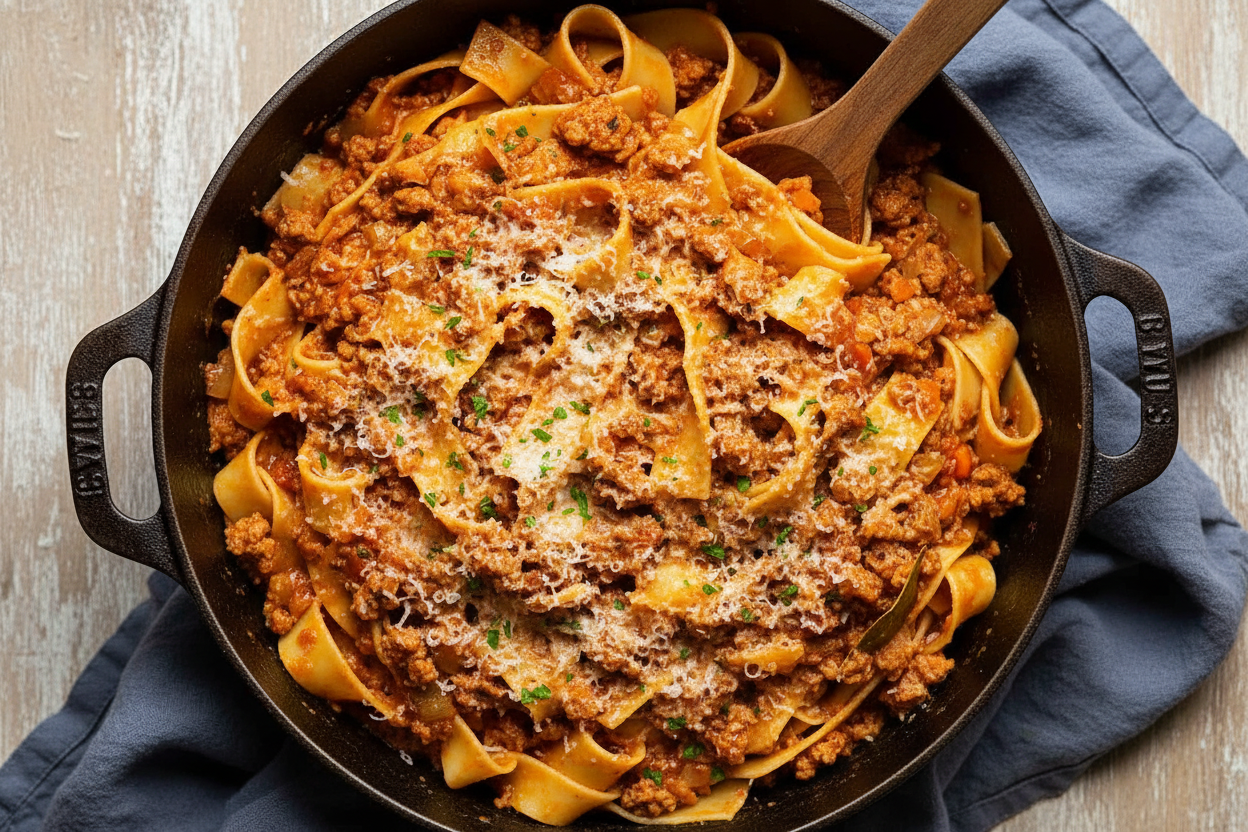
Sausage ragu is a hearty and flavorful dish that brings together the rich tastes of pork and beef sausages simmered with aromatic vegetables and herbs. This comforting sauce pairs beautifully with wide pasta like pappardelle, making it a perfect meal for family gatherings or a cozy dinner. Cooking it slowly allows the flavors to meld together, resulting in a tantalizing sauce that clings perfectly to the pasta.
Detailed Ingredients with measures
– 2 tbsp olive oil
– 1 small onion, finely chopped
– 3 garlic cloves, finely minced
– 1 carrot, peeled and grated
– 2 celery stalks, grated
– 1 tsp fennel seeds
– 350g / 12 oz pork sausages, meat removed from casings
– 350g / 12 oz beef sausages, meat removed from casings
– 2 tbsp tomato paste
– 1 cup pinot noir red wine (or 0% alcohol red wine or more chicken stock)
– 1 cup low sodium chicken stock/broth
– 400g / 14 oz can crushed tomato
– 3 thyme sprigs (or 1/2 tsp dried)
– 2 bay leaves (fresh preferred)
– 1/2 tsp cooking salt / kosher salt
– 1/2 tsp black pepper
– 1/4 tsp chili flakes (optional)
To Serve:
– 500g / 1 lb pappardelle pasta (or other pasta)
– Finely grated Parmesan or Parmigiano Reggiano
– Finely chopped parsley (optional garnish)
Prep Time
20 minutes
Cook Time, Total Time, Yield
Cook Time: 2 hours (including the slow cooking stages)
Total Time: 2 hours 20 minutes
Yield: Serves 6 (based on a standard serving of 80g / 2.8oz dried pasta per person)
Detailed Directions and Instructions
Preheat the Oven
Preheat your oven to 180°C (160°C if using a fan-forced oven).
Soffrito Preparation
In a large heavy-based pot with a lid, heat 2 tablespoons of olive oil over medium heat. Once the oil is warm, add 1 finely chopped small onion, 3 minced garlic cloves, 1 peeled and grated carrot, 2 grated celery stalks, and 1 teaspoon of fennel seeds. Cook this mixture for approximately 8 minutes until the carrot is soft and sweet but not browned.
Cooking the Sausage
Increase the heat to high and add 350g of pork sausages and 350g of beef sausages, with the meat removed from their casings. Cook the sausage, breaking it apart as much as you can. Don’t worry if it doesn’t crumble like ground meat; it will break down further later.
Deglazing the Pot
Once the sausage meat is no longer pink (it won’t really brown), add 2 tablespoons of tomato paste. Cook for an additional minute. Then, pour in 1 cup of pinot noir red wine (or 0% alcohol red wine/chicken stock as a substitute) and allow it to simmer vigorously for about 2 minutes until it reduces by half. Stir regularly to scrape the bottom of the pot clean.
First Slow Cook
Add the remaining ragu ingredients: 1 cup of low sodium chicken stock, a 400g can of crushed tomatoes, 3 thyme sprigs (or 1/2 teaspoon of dried thyme), 2 bay leaves, 1/2 teaspoon of cooking salt, 1/2 teaspoon of black pepper, and optional 1/4 teaspoon of chili flakes. Stir everything together, bring it to a simmer, place the lid on, and transfer it to the preheated oven. Let it slow cook for 1 hour.
Second Slow Cook
After 1 hour, carefully remove the pot from the oven. Use a potato masher to mash the meat finer. Replace the lid and return the pot to the oven for another 45 minutes. The sauce will thicken considerably; it will loosen once tossed with the pasta.
Tasting and Adjusting Salt
Taste the ragu sauce and add more salt if needed, as sausage saltiness can vary.
Cooking the Pasta
Prepare 500g of pappardelle pasta according to the instructions on the package. Before draining the pasta, scoop out 1 1/2 cups of the cooking water and set it aside.
Tossing the Pasta with Sauce
Place the ragu pot back on the stove over medium heat. Add the cooked pasta to the pot along with 1/2 cup of the reserved pasta water. Using two spatulas, toss the pasta until it is well-coated in the ragu sauce, ensuring the strands are stained red. If necessary, add extra pasta cooking water to achieve your desired consistency.
Serving the Dish
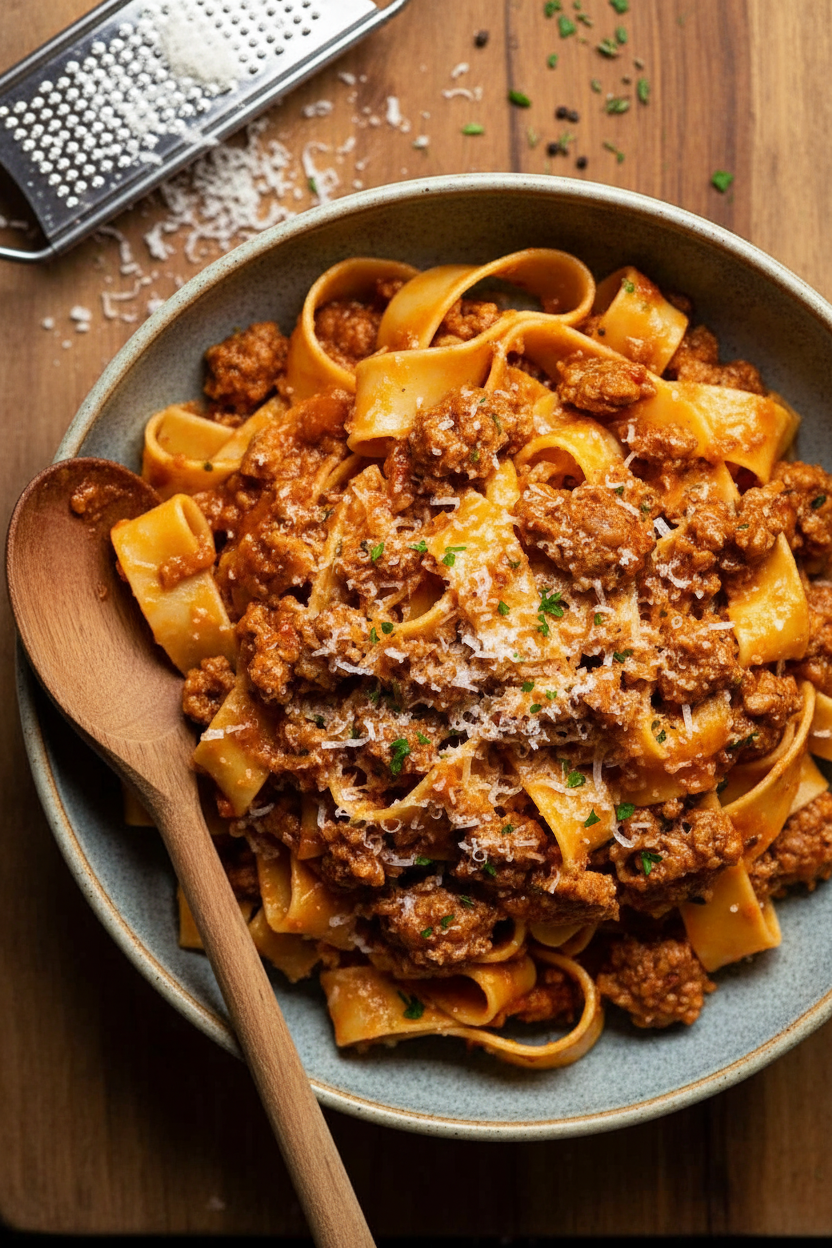
Serve the ragu and pasta in pre-warmed bowls. Garnish with finely grated Parmesan or Parmigiano Reggiano, and a pinch of finely chopped parsley if desired. Enjoy your meal immediately!
Notes
Servings
The ragu sauce is sufficient for 500g of pasta, which serves about 6 standard servings or 5 larger portions, taking into account a standard serving of 80g (2.8oz) of dried pasta per person.
Grating Techniques
Using a box grater will create finer pieces that blend better into the meat sauce. Use short strokes during grating to avoid long strands.
Sausage Options
Combining both pork and beef sausages enhances the flavor of the sauce; beef adds a rich taste while pork contributes tenderness. You may also choose to use only one type of sausage.
Pasta Choices
Pappardelle, with its thick and wide strands, complements hearty meat sauces, but the ragu will pair well with any pasta type. For smaller servings, prepare a smaller quantity of sauce in a separate pan.
Making Ahead
Ragu develops better flavors overnight. Cool it fully and refrigerate. Reheat on low before tossing with pasta for serving. The ragu can be frozen for up to 3 months or kept in the fridge for 5 days. If tossed with pasta, it will last for 3 to 4 days, although freshly made pasta is always best.
Cook techniques
Soffrito
Soffrito is a foundational cooking technique involving gently sautéing finely chopped vegetables—like onions, garlic, carrots, and celery—in olive oil over medium heat. This slowly releases their flavors and sweetness without browning them, creating a flavorful base for sauces and stews.
Deglazing
Deglazing is the process of adding liquid, such as wine or broth, to a pot after sautéing or browning meat or vegetables. This helps to dissolve the browned bits stuck to the bottom of the pot, incorporating additional flavor into the dish. It’s an essential step before adding the remaining ingredients for a more enriched sauce.
Slow Cooking
Slow cooking allows flavors to meld and develop over time. By cooking the ragu in the oven at a low temperature, the ingredients slowly release their flavors, resulting in a rich and thick sauce. It’s essential to cover the pot to retain moisture and ensure even cooking.
Mashing
Using a potato masher to break down sausage and other ingredients helps achieve a smoother texture in the sauce. This technique is particularly useful for integrating meats into sauce, ensuring every bite is flavorful while also helping to thicken the ragu.
Cooking Pasta
Cooking pasta correctly is vital for texture. Always refer to the package instructions, and ensure to reserve some cooking water. This starchy water can be used later to adjust the consistency of the sauce when tossing with the pasta.
Tossing
Tossing involves combining cooked pasta with the ragu sauce in the pot over medium heat. This technique ensures the pasta is thoroughly coated with the sauce, allowing the flavors to penetrate each strand and creating a cohesive dish.
FAQ
Can I use different types of sausages?
Yes, you can use various types of sausages based on your preference. A mix of pork and beef adds rich flavor, but you can choose just one type or even use alternatives like chicken or turkey sausages.
How can I make the ragu ahead of time?
The ragu tastes better when made in advance. Cool it completely, refrigerate for up to 5 days, or freeze for up to 3 months. Reheat it gently on the stove before tossing with pasta.
What can I substitute for pappardelle pasta?
While pappardelle is ideal for hearty sauces, you can substitute any pasta shape you prefer, like fettuccine, tagliatelle, or even penne. The sauce will still be delicious with any pasta.
Is there a way to make this dish vegetarian?
Yes, to make a vegetarian version, substitute the sausage with plant-based meat alternatives and ensure the broth and wine are alcohol-free. You can also add additional vegetables and beans for texture and flavor.
How do I know when the ragu is done cooking?
The ragu is done when the flavors have melded and the sauce thickens to your preferred consistency. The meat should be tender and easily break apart when mashed. Always taste and adjust seasoning if necessary.
Conclusion
The Sausage Ragu is a delightful dish that combines the rich flavors of pork and beef sausages with a medley of vegetables and herbs. Slow-cooking this ragu allows the ingredients to meld beautifully, resulting in a hearty sauce that pairs perfectly with pappardelle pasta. This recipe not only highlights the comforting taste of traditional Italian cuisine but also emphasizes the versatility of the sauce, making it a treasured addition to any meal.
More recipes suggestions and combination
Vegetable Ragu
Swap the sausages for a variety of chopped mushrooms, zucchini, and bell peppers to create a robust vegetable ragu that will satisfy vegetarians.
Spicy Sausage Ragu
Add more chili flakes or diced fresh chili peppers to the original recipe for a spicier kick that pairs well with creamy pasta dishes.
Seafood Pasta
Use shrimp or scallops by sautéing them separately and then folding them into the ragu just before serving for a seafood twist.
Lasagna Filling
Use this ragu as a rich filling for lasagna, layering it with sheets of pasta, béchamel sauce, and mozzarella cheese for a comforting baked dish.
Pasta Bake
Combine the ragu with cooked pasta, top with cheese, and bake until golden and bubbling for a hearty pasta bake that’s perfect for feeding a crowd.
Stuffed Peppers
Mix the ragu with cooked rice and use it as a stuffing for bell peppers, baking them until tender for a delicious and filling meal.