Introduction
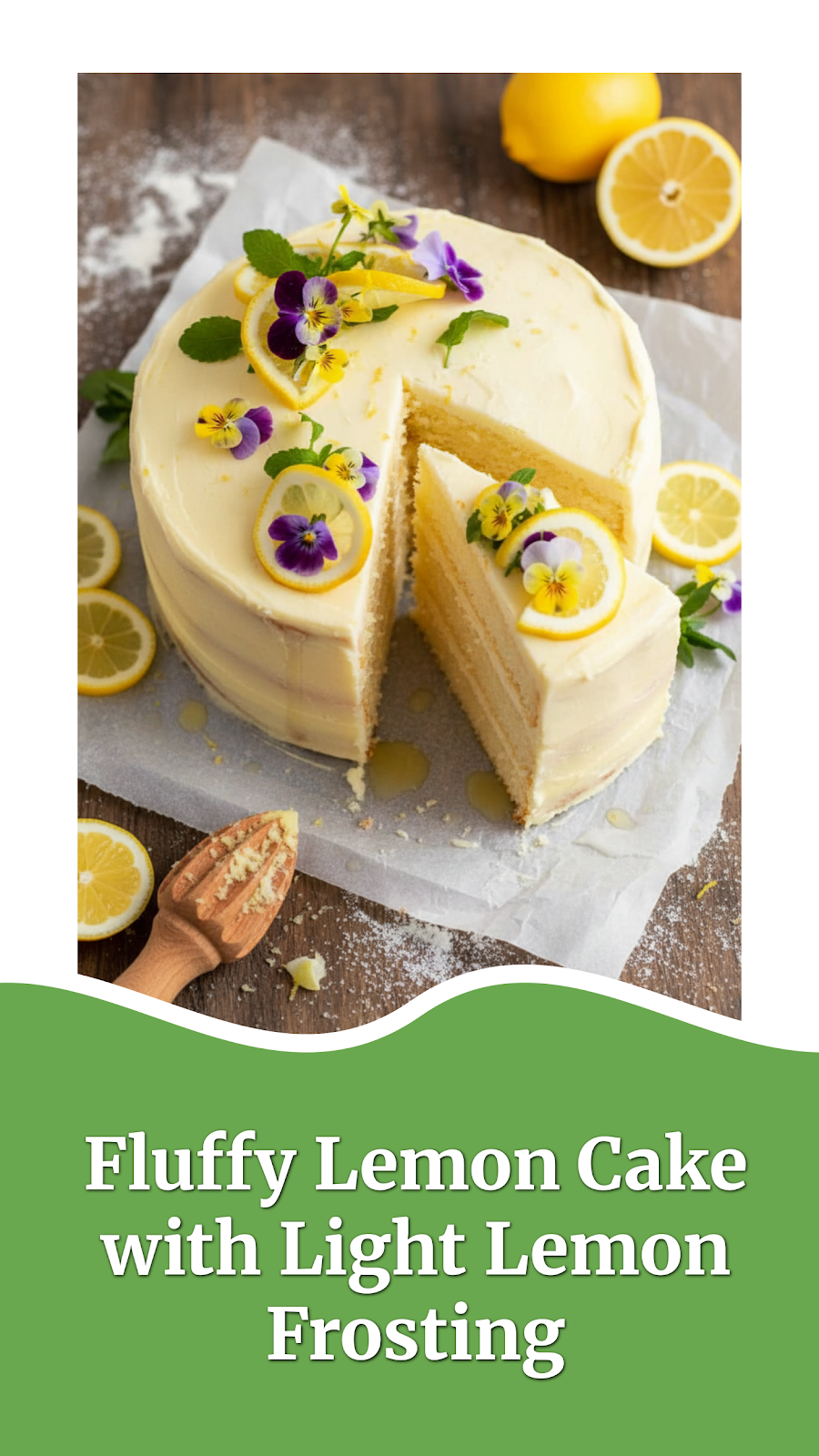
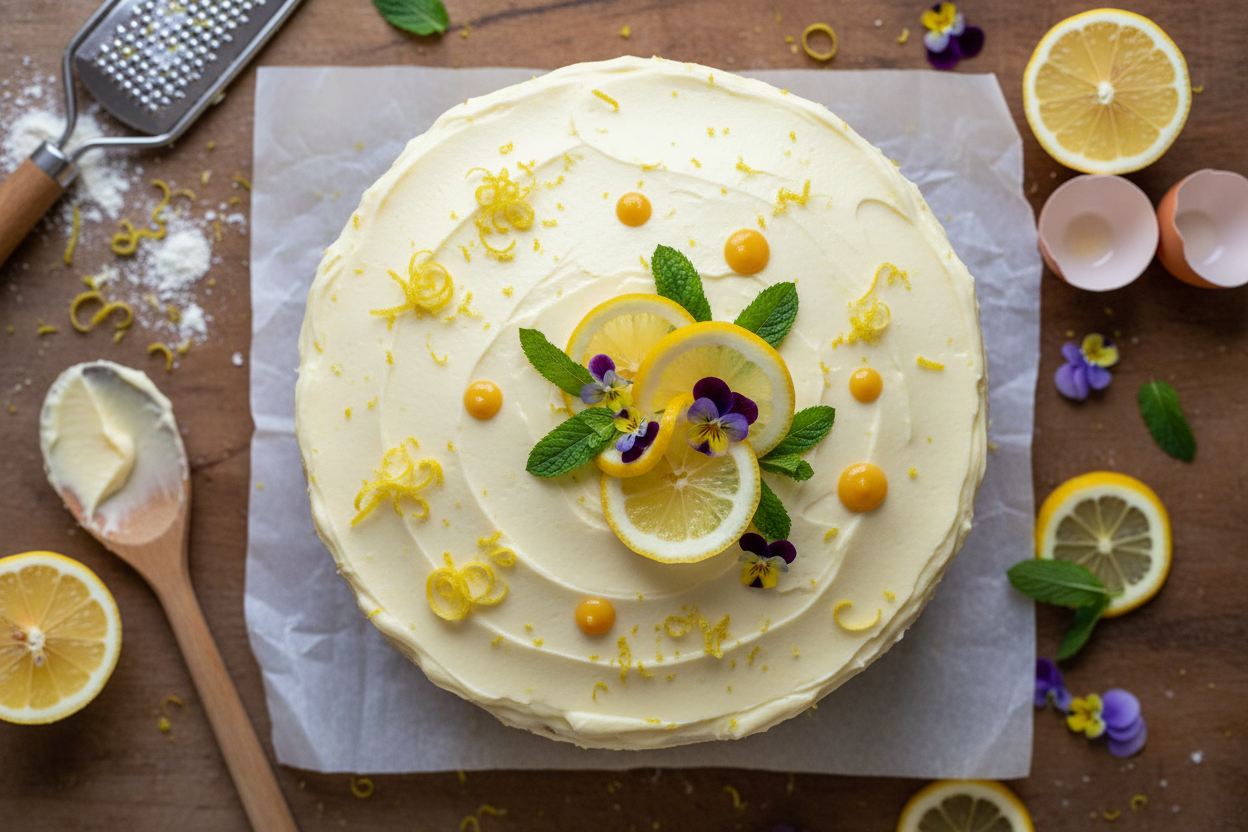
Making a delicious lemon cake is a great way to brighten up your day or impress your guests at any gathering. With its zesty flavor and fluffy texture, this cake is perfect for celebrations or simply as a delightful treat. Below, we provide a detailed list of ingredients, preparation steps, and tips for achieving the best results.
Detailed Ingredients with measures
Lemon Cake
– 2 cups plain / all purpose flour (cake flour OK too)
– 2 1/2 teaspoons baking powder (check it’s still active)
– 1/4 tsp salt
– 4 large eggs (50 – 55g / 2 oz each), at room temp
– 1 1/2 cups caster / superfine sugar (granulated/regular ok too)
– 115g / 1/2 cup unsalted butter, cut into 1.5cm / 1/2” cubes
– 1 cup milk, full fat
– 3 tsp vanilla extract, the best you can afford
– 3 tsp vegetable or canola oil
– 3 tbsp lemon zest (from 2 lemons)
– 1/3 cup lemon juice
– 1/4 tsp natural lemon extract (lemon oil), recommended but not essential
My Secret Less-Sweet Lemon Frosting
– 6 1/2 tbsp flour, plain/all purpose
– 1 1/3 cups milk (full fat best, low fat ok, 0% fat no good)
– 1 1/3 cups caster / superfine white sugar (or granulated/ordinary)
– 300g / 1 1/3 cups unsalted butter, softened
– 3 tsp lemon zest (from 1 lemon)
– 4 tbsp fresh lemon juice
Prep Time
20 minutes
Cook Time, Total Time, Yield
Cook Time: 23 minutes
Total Time: Approximately 1 hour
Yield: 12 servings
This charming lemon cake with its less-sweet frosting becomes a delightful addition to your dessert repertoire. Whether you’re baking for a special occasion or just to satisfy a sweet tooth, follow the recipe closely for a cake that’s sure to please!
Detailed Directions and Instructions
Preparation
Preheat your oven to 180°C/350°F (160°C fan) for 20 minutes before starting the batter. Place the oven shelf in the middle of the oven. Grease 3 x 20cm / 8” cake pans with butter and line the bottoms with parchment or baking paper. It is best to use cake pans without a loose base to prevent leaking.
Combine Dry Ingredients
In a large bowl, whisk together the plain/all-purpose flour, baking powder, and salt. Set this mixture aside.
Beat Eggs Until Aerated
Using a stand mixer fitted with a whisk attachment or a hand beater, beat the 4 large eggs on speed 6 for 30 seconds. Gradually pour in the 1 ½ cups caster sugar while continuing to mix for 45 seconds. Increase the mixer speed to 8 and continue beating for 7 minutes, until the mixture has tripled in volume and is a white color.
Finish Cake Batter
While the eggs are being whipped, combine 115g unsalted butter and 1 cup full-fat milk in a heatproof jug. Microwave on high for about 2 minutes until the butter melts but do not let the milk boil. If made beforehand, keep it covered and hot. Once the egg mixture is ready, gently scatter one-third of the dry flour mixture over the surface and mix on Speed 1 for 5 seconds. Then, add half of the remaining flour and mix on Speed 1 for another 5 seconds. Add the remaining flour and mix on Speed 1 for 5 to 10 seconds until just combined—stop immediately when no visible flour remains.
Lighten Hot Milk with Some Egg Batter
Pour the hot milk, vanilla extract, lemon juice, lemon zest, and oil into the bowl with the remaining flour. Add approximately 1 ½ cups (or 2 ladles) of the whipped egg batter into the milk mixture. Whisk together until smooth and foamy.
Slowly Add Milk
With the mixer on Speed 1, gradually pour the milk mixture into the egg batter over 15 seconds, then turn off the beater.
Scrape and Final Mix
Scrape down the sides and bottom of the bowl, then beat on Speed 1 for an additional 10 seconds until the batter is smooth and pourable.
Bake
Pour the batter evenly into the prepared pans. To remove large bubbles, bang each cake pan on the counter three times. Bake for 23 minutes or until the cakes are golden brown and a toothpick inserted into the center comes out clean.
Cool & Frost
Once baked, remove the pans from the oven and let them cool in the pans for 15 minutes. Then gently turn the cakes out onto cooling racks. For layer cakes, cool them upside down to create a perfectly flat top for stacking. Once cooled, frost with the lemon frosting or lemon cream cheese frosting as desired.
Secret Less-Sweet Fluffy Lemon Frosting
To make the frosting, combine 6 ½ tablespoons of flour and 1 ⅓ cups of sugar in a large saucepan over medium heat. Stir continuously for 30 seconds. While whisking constantly, slowly pour in 1 ⅓ cups of milk. As the mixture heats, continue stirring until it thickens to a custard-like texture. Once thickened, remove it from the heat and transfer it to a bowl. Cover the surface with cling wrap to prevent a skin from forming and allow it to cool for about 20 minutes at room temperature, then refrigerate for an additional 30 minutes. It should be thick but not fridge cold.
Frosting – Cream Butter
Using either a handheld beater or a stand mixer with the whisk attachment, beat 300g of softened unsalted butter for about 3 minutes until smooth and pale.
Frosting – Add Roux
While beating the butter on Speed 5, gradually add the cooled roux a heaped tablespoon at a time over the course of about 1 minute. Following this, stir in the lemon zest and juice, then whip for 2 minutes until the frosting is stiff enough to hold peaks.
Frosting Cake
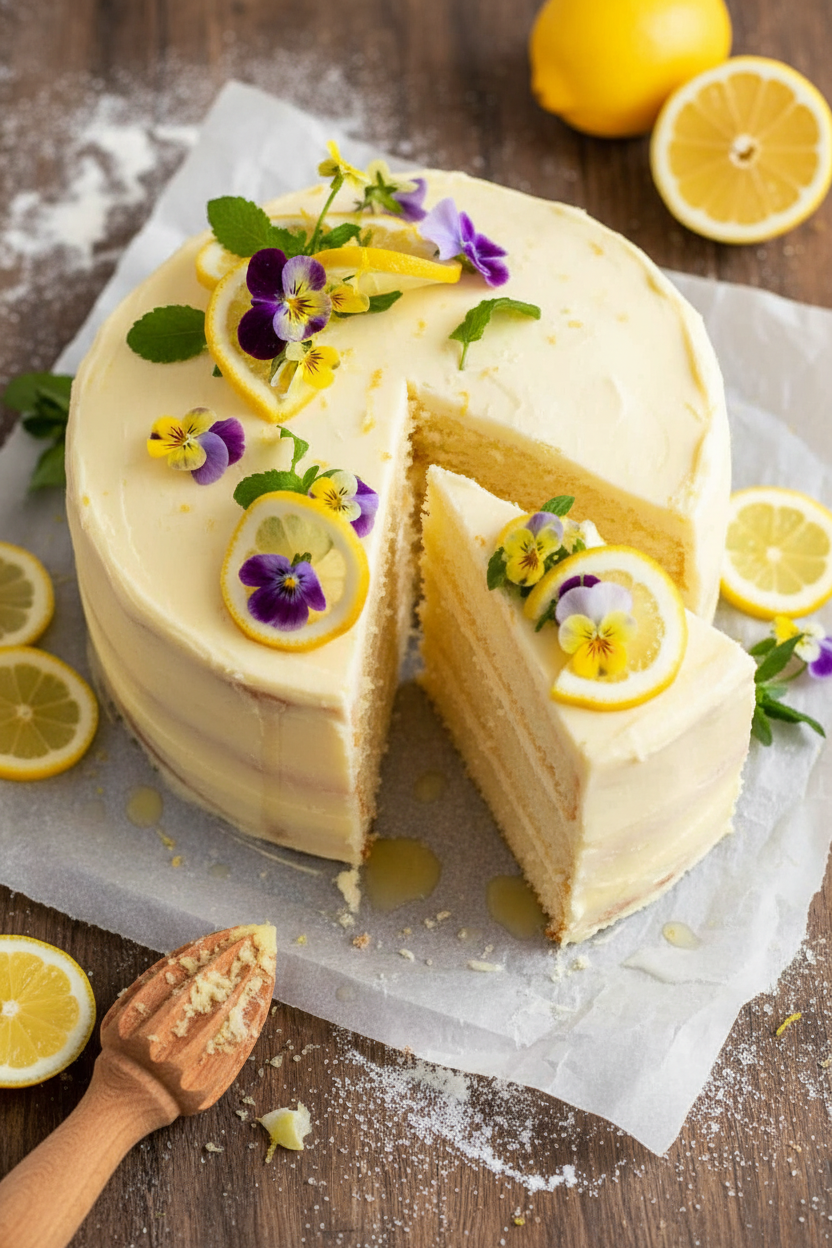
To frost the cake, take one cake layer and turn it upside down for a level surface. Spread a layer of frosting approximately 3 to 4 millimeters thick on top. Place another layer upside down on top and repeat with more frosting. Finally, place the last cake layer on top and use the remaining frosting to cover the top and sides evenly.
Notes
Note 1
Using cake flour is acceptable, but plain/all-purpose flour generally provides better flavor, moisture, and crumb texture.
Note 2
Ensure your baking powder is fresh. Caster/superfine sugar is preferred for better aeration when whipped with eggs.
Note 3
For best results, use eggs at room temperature as they aerate better when whipped. If your eggs are cold, warm them in a bowl of warm tap water for a few minutes.
Note 4
Check the freshness of your baking powder to avoid cake fails. If not available, replace with baking soda, but not as effective.
Note 5
Full-fat milk is recommended for a tender crumb; avoid non-dairy milks as they may affect the outcome.
Note 6
Use quality vanilla extract for better flavor in your cake.
Note 7
Adding oil to the batter keeps the cake moist and tender.
Note 8
Natural lemon extract enhances the lemon flavor but is not essential.
Note 9
Preheat your oven for sufficient time to avoid heat loss when baking. Do not use rapid heat functions.
Note 10
Select appropriate cake pans to prevent leaking and ensure uniform baking.
Note 11
Banging the pans on the counter helps eliminate large bubbles.
Note 12
The cake balances sweetness levels—do not reduce sugar below the specified amount for optimal aeration.
Note 13
For the frosting, thickness is essential for texture but should remain fluffy.
Note 14
Ensure the roux is at room temperature before incorporating with the butter; too hot or cold can affect mixing.
Note 15
Store the cake properly to avoid staleness. If unfrosted, cover and wrap immediately to maintain freshness and avoid refrigeration unless necessary.
Note 16
The nutritional information assumed 12 servings of cake including frosting.
Cook techniques
Preheating the Oven
Preheat your oven to the specified temperature to ensure even baking. This helps the cake rise properly and achieve the right texture.
Greasing and Lining Cake Pans
Grease the cake pans with butter and line with parchment paper to prevent the cake from sticking. This makes it easier to remove the cake after baking.
Whisking Dry Ingredients
In a large bowl, whisk together flour, baking powder, and salt to ensure they are evenly distributed. This step is crucial for the cake’s texture and rise.
Beating Eggs
Beat the eggs until they are aerated, which adds volume to the batter. Gradually add sugar while beating to create a fluffy mixture necessary for a well-risen cake.
Heating Milk and Butter
Melt the butter and heat the milk until warm but not boiling. This step is important to ensure a smooth batter when combined with the egg mixture.
Folding in Flour
Gently add flour to the egg mixture in stages to prevent deflating the batter. Mixing at a low speed or by hand helps maintain the airiness of the batter.
Knocking Out Bubbles
After pouring the batter into the pans, bang them gently on the counter to eliminate large air bubbles that could cause holes in the cake.
Baking
Bake the cake until it is golden and a toothpick inserted in the center comes out clean. This ensures that the cake is cooked through without being overbaked.
Cooling
Allow the cake to cool in the pans before transferring to cooling racks. This prevents the cake from breaking apart and helps maintain its shape.
Making the Frosting
Prepare the frosting by cooking a roux with flour and sugar, adding milk to thicken. This technique creates a fluffy texture perfect for spreading on the cake.
Frosting the Cake
Use the frosting to layer between the cooled cake layers and on the top and sides. This adds flavor and creates a beautiful finish.
FAQ
Can I use a different type of flour?
You can use cake flour, but all-purpose flour is preferred for better flavor and crumb texture.
How do I check if my baking powder is still good?
Add a teaspoon of baking powder to hot water. If it fizzes, it’s still active.
Should the eggs be room temperature?
Yes, room temperature eggs fluff better and help the cake rise.
Can I use lower-fat milk?
You can use lower-fat milk, but it may affect the cake’s texture. Non-dairy milk is not recommended.
What type of oil should I use?
Vegetable or canola oil can be used for moisture and tenderness.
Is natural lemon extract necessary?
It enhances the lemon flavor but is not essential. Lemon juice and zest can suffice.
What if I don’t have three cake pans?
You can bake the batter in two pans by adjusting the baking time, using portions of the batter accordingly.
How should I store the cake?
Wrap it tightly in plastic wrap and keep it in an airtight container at room temperature. It can last 4 days unfrosted.
What happens if I frost the cake too early?
If the cake is still warm, the frosting may melt. Ensure the cake is completely cooled before frosting.
Conclusion
This lemon cake recipe yields a light, fluffy, and refreshing dessert perfect for any occasion. The celebration of citrus through lemon zest and juice infuses the cake with a vibrant flavor, while the less-sweet frosting balances it beautifully. Enjoy making this delightful treat and sharing it with friends and family!
Classic Vanilla Cake
Combine all-purpose flour, baking powder, eggs, sugar, butter, milk, and vanilla extract for a timeless vanilla flavor.
Chocolate Lemon Cake
Incorporate cocoa powder into the batter for a rich chocolate twist on the lemon cake, enhancing the flavor profile.
Coconut Lime Cake
Replace lemon juice with lime juice and add shredded coconut for a tropical flair that marries perfectly with the citrus notes.
Berry Lemon Cake
Add fresh berries such as blueberries or strawberries into the batter or as a layer between frosting to introduce juicy bursts of flavor.
Almond Lemon Cake
Incorporate almond flour along with the all-purpose flour for added nuttiness and a rich texture that complements the lemon.
Lemon Chiffon Cake
Use a lighter, airy chiffon cake technique with oil, eggs, and baking powder for a delicate lemon cake experience.
Matcha Lemon Cake
Blend matcha powder into the batter for a unique flavor combination that adds depth and a vibrant green color.
Peach Lemon Cake
Mix in diced fresh peaches to the batter for a summer-inspired cake, adding sweetness and moisture.