
Introduction
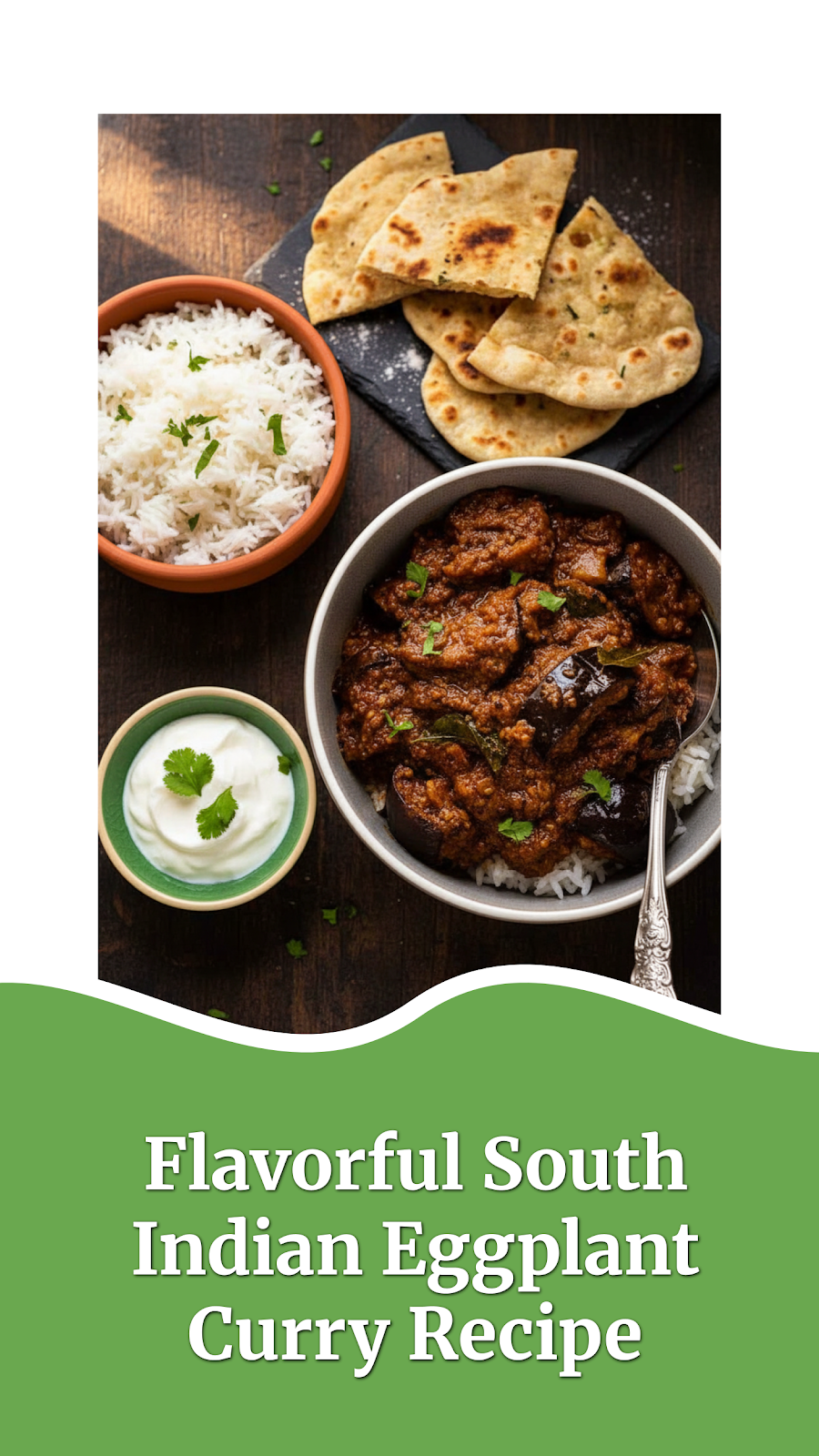
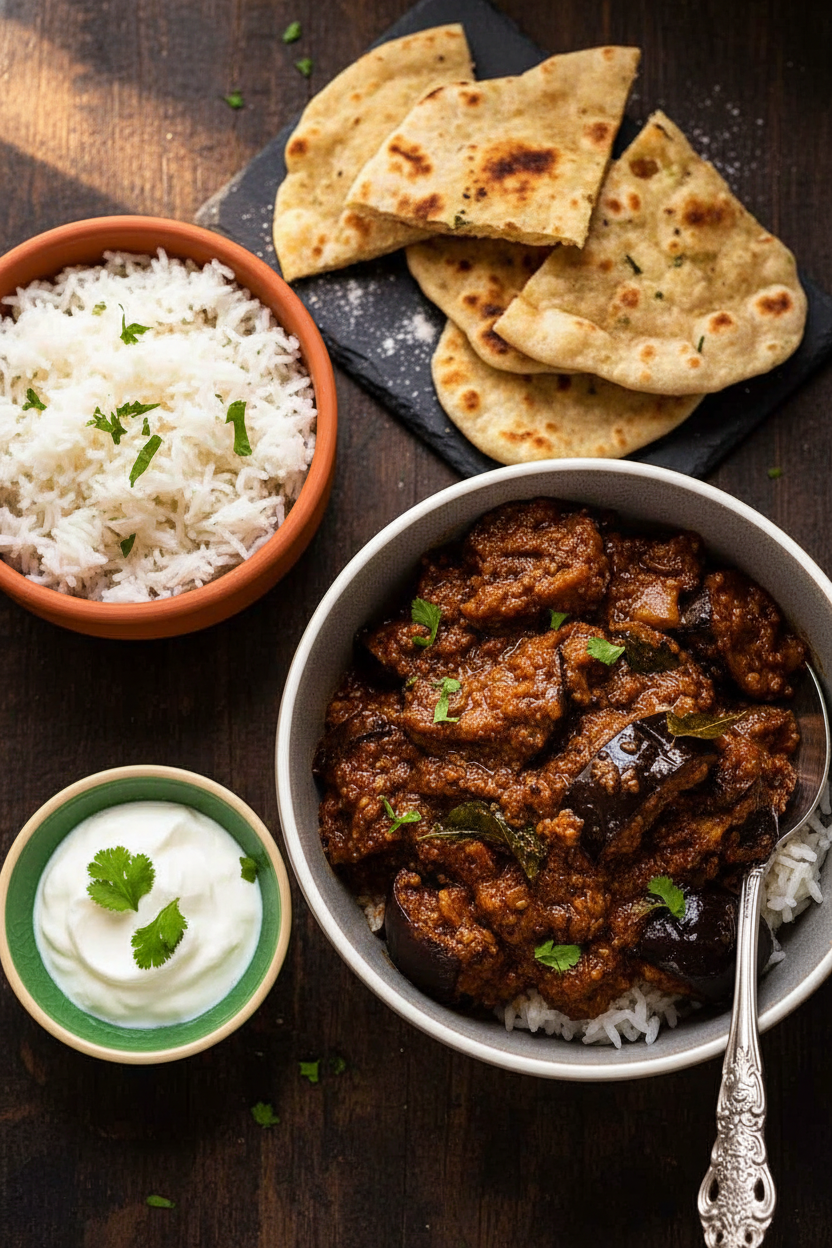
Eggplant, also known as aubergine, is a versatile vegetable that can transform into a delightful culinary experience with the right ingredients and techniques. This roasted eggplant curry incorporates aromatic spices and the creamy richness of coconut milk, resulting in a dish that’s both satisfying and full of flavor. Perfect for serving with basmati rice and yogurt, this dish brings a taste of Sri Lankan cuisine to your home.
Detailed Ingredients with measures
Roasted Eggplant:
– 2 tbsp vegetable oil (or canola)
– 700g / 1.2 lb eggplant (aubergine), 2 medium
– 1/2 tsp each salt and pepper
Curry:
– 3 tbsp vegetable oil (or canola)
– 3/4 tsp black mustard seeds
– 14 curry leaves, fresh
– 1 red onion, quartered and thinly sliced
– 3 tbsp passata or tomato pulp (or canned tomato)
– 1 tbsp garlic, grated (approximately 4 cloves)
– 1 tbsp ginger, grated (approximately 1.5cm piece)
– 1 1/4 cups water
– 3/4 tsp salt
– 3 tbsp coconut milk or cream, full fat
Curry Spices:
– 1/4 tsp cardamom powder
– 1/4 tsp ground cloves
– 1/4 tsp black pepper
– 1/2 tsp chili powder or cayenne (not US chili powder)
– 4 tsp coriander powder
– 4 tsp cumin powder
Serving:
– Basmati rice
– Yogurt, highly recommended
– Coriander/cilantro leaves, optional
– Easy flatbread (as naan!), optional
Prep Time
The prep time for this roasted eggplant curry is approximately 15 minutes, which includes slicing the eggplant and preparing the necessary ingredients for the curry.
Cook Time, Total Time, Yield
The cook time for this dish is about 45 minutes. Therefore, the total time for preparation and cooking is approximately 1 hour. This recipe yields about 4 servings, providing a hearty meal for family or friends, complemented ideally by basmati rice and yogurt.
Detailed Directions and Instructions
Roasted Eggplant
1. Preheat your oven to 240°C / 450°F (220°C for fan oven). Prepare a baking tray by lining it with parchment or baking paper.
2. Wash and trim the eggplants, then cut them into 2cm (approximately 4/5″) slices. Next, cut those slices into 2cm (approximately 4/5″) batons for even roasting.
3. In a large mixing bowl, combine the eggplant batons with 2 tablespoons of vegetable oil, 1/2 teaspoon of salt, and 1/2 teaspoon of pepper. Toss well to ensure the eggplant is fully coated.
4. Spread the coated eggplant evenly across the prepared baking tray. Roast in the preheated oven for 20 minutes.
5. After 20 minutes, turn the eggplant pieces to ensure even cooking and roast for an additional 10 minutes. The eggplant should be caramelized on the edges and soft on the inside without being shriveled.
Curry Preparation
1. In a large pot, heat 3 tablespoons of vegetable oil over medium heat.
2. Once the oil is hot, add 3/4 teaspoon of black mustard seeds. Let them sizzle for about 15 seconds until they start to pop.
3. Add 14 fresh curry leaves to the pot and stir. Allow the leaves to sizzle for another 15 seconds.
4. Incorporate the quartered and thinly sliced red onion into the pot. Cook for approximately 5 minutes, until the onion turns golden brown.
5. Add 3 tablespoons of passata (or tomato pulp) to the pot. Cook for another minute, stirring continuously.
6. Include 1 tablespoon of grated garlic (about 4 cloves) and 1 tablespoon of grated ginger (approximately a 1.5 cm piece) in the pot. Cook for 2 minutes.
7. Stir in the curry spices (1/4 teaspoon cardamom powder, 1/4 teaspoon ground clove, 1/4 teaspoon black pepper, 1/2 teaspoon chili powder or cayenne, 4 teaspoons coriander powder, and 4 teaspoons cumin powder) along with 3/4 teaspoon of salt. Cook this mixture for an additional 3 minutes, allowing it to form a thick paste. If it begins to stick to the bottom, quickly add a splash of water to loosen it.
8. Gradually stir in 1 1/4 cups of water and then add the roasted eggplant to the pot. Gently combine.
9. Partially cover the pot, reduce the heat to low, and let it simmer for 30 minutes. Stir gently once or twice to avoid breaking up the eggplant. Add more water if the mixture seems to be drying out.
10. After 30 minutes, stir in 3 tablespoons of coconut milk or cream, and then taste the curry. Adjust the salt if necessary. The final dish should be thick, juicy, and flavorful, with the eggplant partially intact and some pieces gently collapsed.
Serving
1. Serve the eggplant curry hot, alongside basmati rice and a dollop of yogurt for richness. Optionally, garnish with fresh coriander/cilantro leaves and serve with easy flatbread, like naan, if desired.
Notes
1. Eggplant
Choose smaller eggplants for better texture; two smaller eggplants (around 300g each) will hold together better during cooking. Asian eggplants can also be used. Alternatively, the eggplant can be pan-fried in oil over medium-high heat until golden brown, even if slightly undercooked inside.
2. Black Mustard Seeds
These are essential for an authentic flavor, resembling poppy seeds with a strong aroma. They can be purchased at Indian grocery stores or selected supermarkets. If unavailable, substitutes include brown mustard seeds, yellow mustard seeds, or mustard powder.
3. Fresh Curry Leaves
Essential for genuine flavor, fresh curry leaves can usually be found in larger grocery stores or Indian markets. Dried curry leaves are an acceptable substitute, although the flavor differs slightly.
4. Tomato Options
Any form of tomato can be used, whether it be passata, canned crushed tomatoes (finely crushed), or even tomato paste.
5. Coconut Milk
Using full-fat coconut milk is recommended for added richness, but it can be substituted with a splash of cream if desired.
6. Storage
Leftover curry can be stored in the refrigerator for up to 5 days and should reheat well, ensuring to stir carefully to prevent the eggplant from becoming mushy.
7. Sources
Inspired by a desire to replicate a restaurant dish, the recipe draws upon methods and techniques from South Indian and Sri Lankan food traditions.
8. Nutrition
Nutritional information is based on a serving of the curry alone (without rice).
Cook techniques
Roasting Eggplant
Preheat the oven to 240°C / 450°F (220°C fan). Cut the eggplant into 2cm / 4/5″ slices and then into batons. Toss with vegetable oil, salt, and pepper in a large bowl. Spread on a lined tray and roast for 20 minutes, turn, and roast for an additional 10 minutes until caramelised and soft inside.
Cooking Mustard Seeds
Heat vegetable oil in a large pot over medium heat. Add black mustard seeds and allow them to sizzle for about 15 seconds until they start popping.
Sautéing Ingredients
Add curry leaves to the pot and stir, letting them sizzle for another 15 seconds. Then add sliced red onions and cook until golden brown, around 5 minutes.
Creating a Curry Base
Stir in passata or tomato pulp and cook for 1 minute. Add grated garlic and ginger, cooking for an additional 2 minutes until fragrant. Incorporate curry spices and salt, cooking for 3 minutes to form a thick paste.
Simmering the Curry
Once the spice paste is ready, stir in water and the roasted eggplant. Gently mix, partially cover the pot, and reduce the heat to low. Simmer for 30 minutes, stirring carefully to prevent breaking the eggplant, and adding more water if necessary.
Finishing the Curry
Stir in full-fat coconut milk at the end of cooking and adjust the seasoning as necessary to achieve a thick, juicy texture.
FAQ
Can I use different types of eggplant?
Yes, smaller eggplants work best, but Asian eggplants are also a good alternative.
What can I substitute for black mustard seeds?
You can use brown mustard seeds, yellow mustard seeds, or mustard powder as substitutes for black mustard seeds.
Are fresh curry leaves necessary?
While fresh curry leaves are preferable for authentic flavor, you can substitute them with dried curry leaves or Garam Masala powder.
What type of tomato can I use?
Any form of tomato is fine, such as passata, tomato pulp, canned crushed tomatoes, or tomato paste.
Can I use low-fat coconut milk?
It is recommended to use full-fat coconut milk for richness as the flavor of coconut should be subtle. Low-fat versions may not provide the same effect.
How long can leftovers be stored?
Leftovers can be kept in the fridge for up to 5 days and may also be frozen.
Where does the inspiration for this recipe come from?
The recipe was inspired by a desire to recreate a Sri Lankan restaurant’s eggplant curry, influenced by various South Indian and Sri Lankan food bloggers.
Conclusion
This roasted eggplant curry offers a rich blend of flavors and textures that is both satisfying and nutritious. The combination of spices and coconut milk elevates the dish, making it a delightful addition to your meal repertoire. Enjoy it with basmati rice and yogurt for a complete experience.
Spicy Chickpea and Eggplant Stew
Combine roasted eggplant with cooked chickpeas, diced tomatoes, and spices for a hearty stew.
Eggplant and Spinach Pasta
Toss roasted eggplant with spinach, garlic, and whole wheat pasta, topped with a sprinkle of cheese.
Roasted Eggplant Tacos
Use roasted eggplant as a filling for tacos, topped with avocado, salsa, and fresh cilantro.
Coconut Eggplant Curry with Lentils
Add cooked lentils to the curry for extra protein, served over quinoa for a wholesome meal.
Roasted Eggplant Dip
Blend roasted eggplant with tahini, lemon juice, garlic, and olive oil for a creamy dip.
Eggplant and Bell Pepper Stir-Fry
Stir-fry roasted eggplant with bell peppers and tofu, seasoned with soy sauce and ginger.
Stuffed Eggplant Boats
Fill halved roasted eggplants with a mixture of quinoa, beans, and spices, topped with cheese and baked.