Introduction
Brown rice is a versatile and nutritious staple that can be prepared in various ways. Whether you’re boiling and draining or baking, understanding the right techniques will ensure you achieve the perfect texture every time. This article outlines the necessary ingredients and methods for cooking different types of brown rice, helping you to create delicious and fluffy results.
Detailed Ingredients with measures
Brown Rice (Boiling Method)
– 1 cup brown rice – medium grain, long grain, or basmati
– 8 cups water (Note 1)
Baked Rice
– 1 1/2 cups short grain brown rice (medium grain also acceptable)
– 2 1/2 cups boiling water (Note 2)
Rice Types Not Recommended
– Quick cooking rice (e.g., parboiled) – will not work
– Brown jasmine – not yet tested
Prep Time
Prep time can vary depending on the method you choose. If rinsing rice, allocate an additional 10 minutes to ensure it’s clean. Otherwise, your primary prep involves measuring out the water and rice according to your chosen method.
Cook Time, Total Time, Yield
Cook time for boiling and draining methods depends on the type of rice used:
– Medium and Long Grain Rice: 30 minutes
– Basmati Rice: 12-14 minutes (first check at 12 minutes)
For the baked rice method:
– Cook Time: 1 hour 15 minutes
Total time varies by method, roughly 30-45 minutes for boil and drain and 1 hour 30 minutes for baking.
Yield: 1 cup uncooked brown rice results in approximately 2 to 3 servings, totaling about 2 3/4 cups cooked rice.
Detailed Directions and Instructions
Rinsing Rice
If you purchased rice from bulk bins, rinse it to clean. To rinse, fill a bowl with water, add rice, and swish until the water becomes murky. Drain and repeat three more times. The water will never be crystal clear. If rinsing, reduce water in the baked method by 1/4 cup (65 ml).
Boil and Drain
1. **Boil Water**: Bring 8 cups of water to a boil in a small pot or large saucepan over high heat.
2. **Boil Rice**: Add 1 cup of your chosen brown rice to the boiling water.
– For medium and long grain rice, boil for about 30 minutes.
– For basmati rice, begin checking for doneness at 12 minutes, with a total cooking time of about 12 to 14 minutes.
3. **Drain Very Well**: Once the rice is just tender, drain it in a colander. Shake the pot to remove excess water, and shake the colander to ensure as much water as possible is removed. The pot should steam dry from residual heat.
4. **Rest**: Return the drained rice to the now-dry pot. Cover with a lid and place it back on the turned-off stove for 10 minutes.
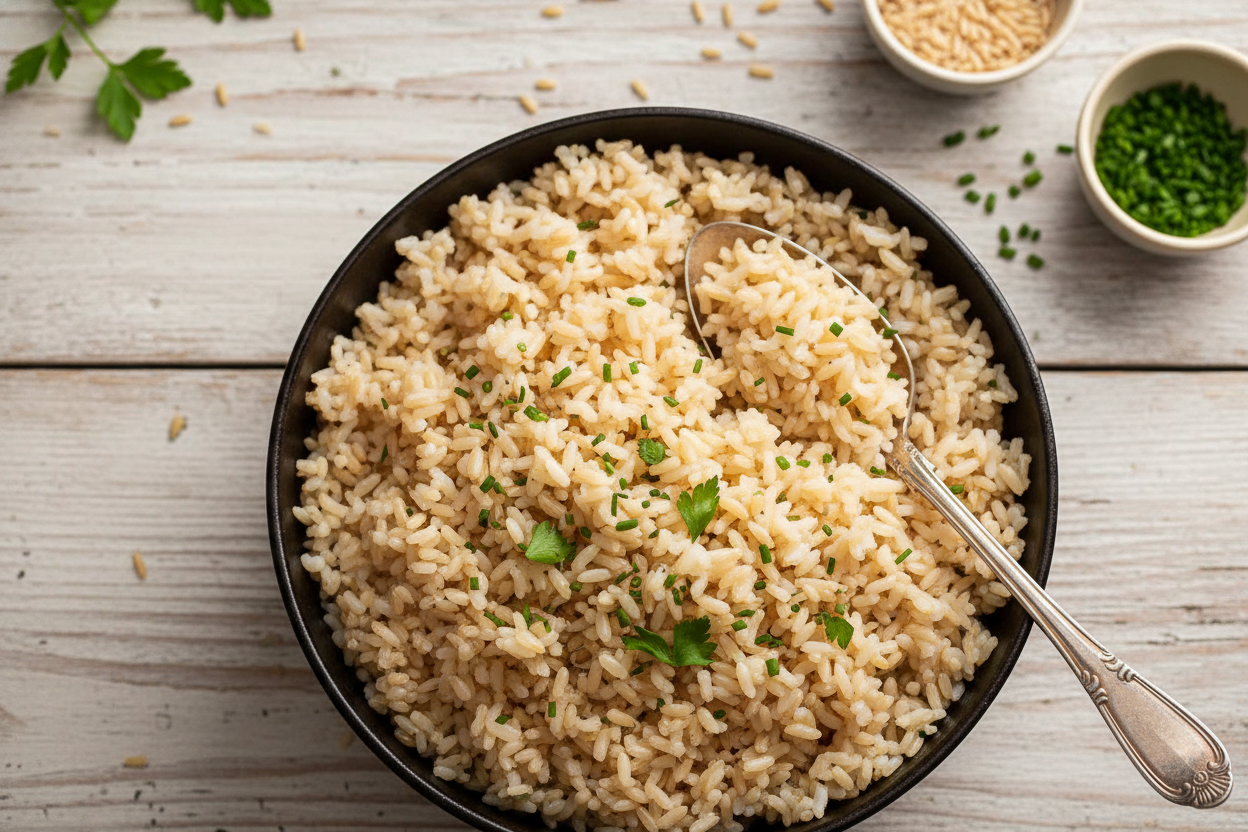
5. **Fluff and Serve**: After resting, fluff the rice with a fork and serve.
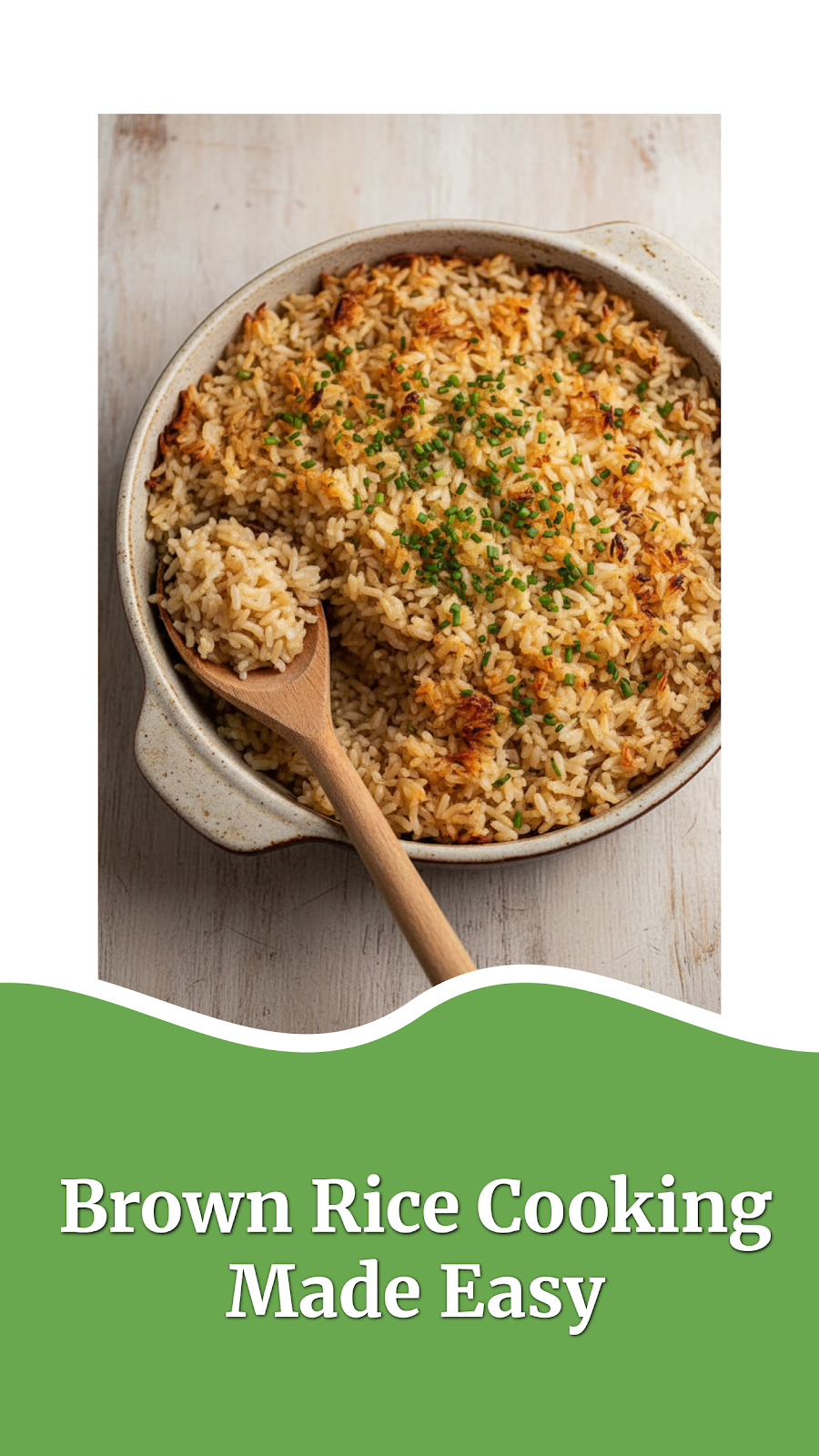
For Baked Rice
1. **Preheat Oven**: Set your oven to 180°C/350°F.
2. **Combine Rice and Water**: In a 20cm/8″ square pan or round casserole pot, pour in 1 1/2 cups of short grain brown rice and 2 1/2 cups of boiling water. Cover it with a lid or aluminum foil.
3. **Bake**: Place in the preheated oven and bake for 1 hour and 15 minutes.
4. **Rest, Fluff & Serve**: Remove the dish from the oven, allow it to stand for 10 minutes, then fluff the rice with a fork and serve.
Notes
Choosing the Right Rice
Identify the type of brown rice you have, using photos for reference if needed. Use the Boil and Drain method for uncertain rice types, checking doneness from the 12-minute mark to ensure optimal results.
Cooking Methods Based on Rice Type
– **Short Grain Rice**: Best for baking; do not use the Boil and Drain method.
– **Medium Grain Rice**: Works well with both cooking methods; the Boil and Drain method yields fluffier results.
– **Long Grain and Basmati Rice**: Recommended to use the Boil and Drain method for fluffiest results.
Water Volume Guidelines
For larger quantities of rice, note that you don’t need to scale up water volume as much as rice. For example, if using 1 cup rice with the required 8 cups water, when using 2 cups, you will only need about 12 cups of water.
Importance of Boiling Water
Using boiling water in the baked method is crucial to avoid soggy rice. If you don’t use boiling water, the rice will soak instead of cook, increasing the cooking time.
Early Checking for Doneness
Check rice for doneness early, as different brands may have varying cooking times. Perfectly cooked rice can become overcooked quickly.
Excess Water and Steaming
For perfect rice, remove as much excess water as possible after boiling. Steaming the rice dry allows it to absorb the remaining moisture during the resting phase for ideal texture.
Rinsing Rice for Cleanliness
Rinsing is necessary only for cleanliness if purchased from bulk bins. Do not soak rinsed rice before cooking, as it affects cooking times. Rinse immediately before cooking if needed.
Cook techniques
Rinsing Rice
Only required if you purchased from bulk bins. If rinsing, reduce water by 1/4 cup for the baked version.
Boil and Drain
1. Bring water to a boil in a small pot or large saucepan over high heat.
2. Add rice and boil until just cooked, slightly firmer than desired.
3. Drain rice in a colander, ensuring to remove excess water. The pot should steam dry from residual heat.
4. Return rice to the dry pot, cover, and let it rest for 10 minutes.
5. Fluff with a fork before serving.
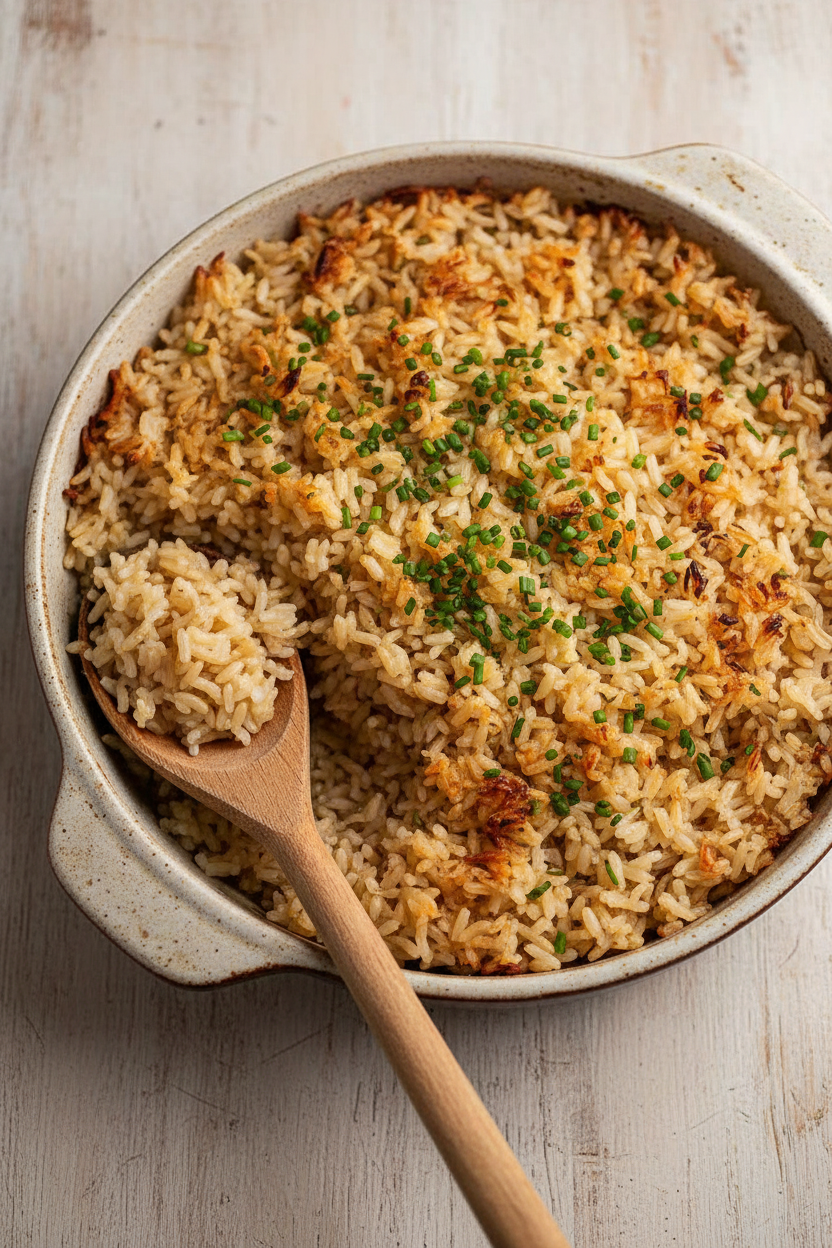
Baked Rice
1. Preheat oven to 180°C/350°F.
2. Pour short or medium grain rice and boiling water into a casserole dish. Cover with a lid or foil.
3. Bake for 1 hour 15 minutes, then let it stand for 10 minutes before fluffing and serving.
FAQ
What type of rice is best for Boil and Drain method?
Medium grain and long grain rice, especially basmati rice, are best for the Boil and Drain method.
Can I use quick cooking rice?
No, quick cooking rice such as parboiled rice will not work with these methods.
How do I know the right cooking time for brown rice?
Check the rice frequently while boiling, especially from 12 minutes onward, as different brands may cook at varying rates.
What happens if I don’t drain the rice well?
If you don’t drain the excess water properly, the rice can become soggy or over-bloated.
Is rinsing necessary for brown rice?
Rinsing is only necessary if you are concerned about cleanliness; otherwise, it is not required for fluffiness.
What should I do if I rinse the rice?
If rinsing, reduce the water amount in the baked method by 1/4 cup.
Conclusion
Perfecting your brown rice cooking technique can greatly enhance your meals. By choosing the appropriate method—Boil and Drain for fluffiness or Baked for convenience—you can achieve delicious results tailored to your preferences. Remember to adjust the water quantity based on your cooking method and check for doneness early, as different brands and types of brown rice vary in cooking time. Experimenting with these methods will guide you to your favorite way of preparing rice.
More recipes suggestions and combination
Rice Salad
Combine boiled or baked brown rice with diced vegetables, spices, and your choice of dressing for a refreshing salad.
Stir-Fried Rice
Use cooked brown rice as a base for stir-fried dishes, adding your choice of protein and assorted vegetables.
Rice Bowl
Layer baked brown rice with beans, sautéed greens, avocado, and your favorite protein for a nutritious bowl.
Rice and Bean Casserole
Mix baked brown rice with black beans, tomatoes, and spices, then bake until heated through for a hearty casserole.
Rice Pudding
Utilize short grain brown rice to prepare a creamy rice pudding flavored with vanilla, cinnamon, and sweetener.
Stuffed Peppers
Stuff bell peppers with a mixture of cooked brown rice, ground meat, lentils, or vegetables, and bake until tender.
Vegetable Fried Rice
Make a quick vegetable fried rice using leftover cooked brown rice, mixed veggies, and egg or tofu for protein.