Introduction
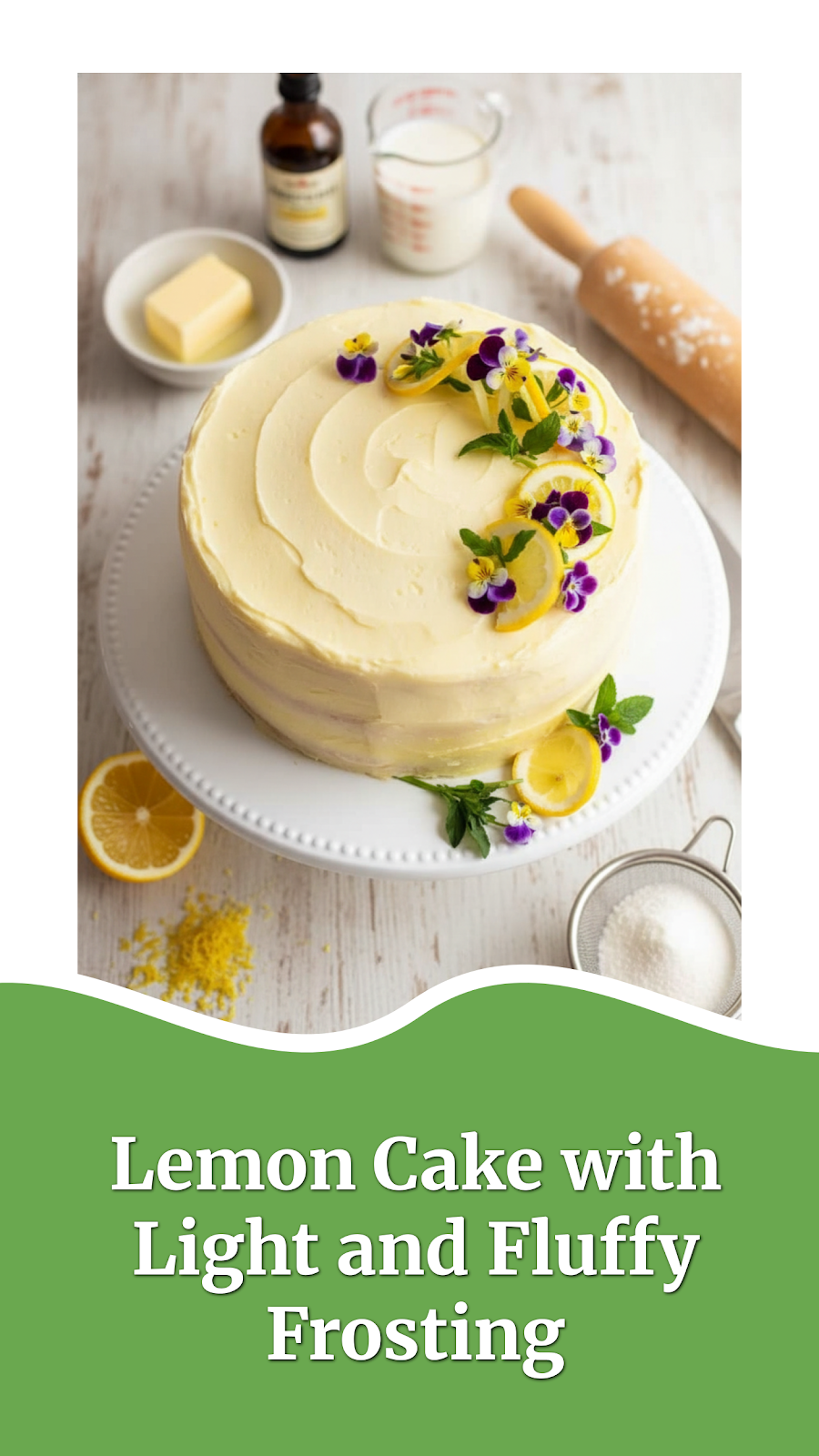
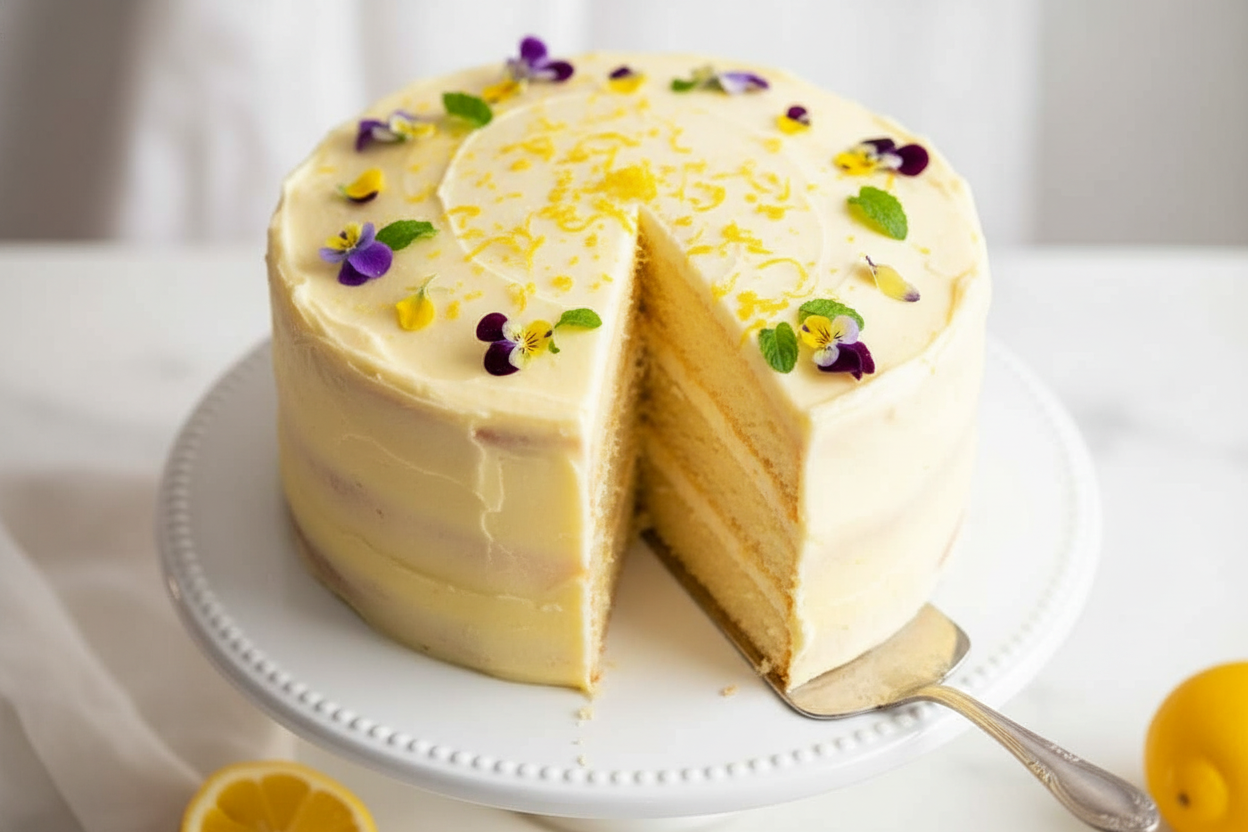
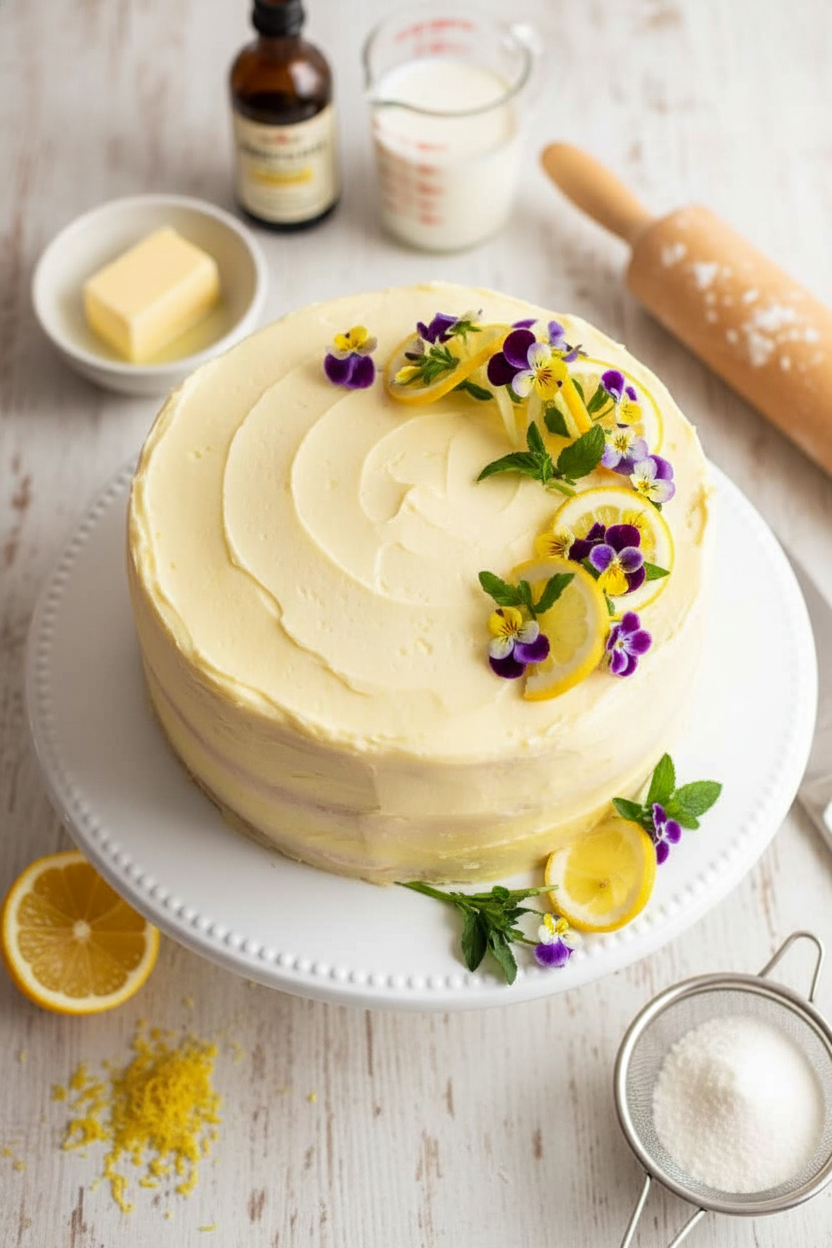
The Lemon Cake is a delightful treat that balances the bright flavor of lemon with a moist, fluffy texture. Perfect for any occasion, this cake is sure to please lemon lovers with its refreshing taste and less-sweet lemon frosting. Follow this recipe for a delicious experience that will impress friends and family.
Detailed Ingredients with measures
2 cups plain / all purpose flour (cake flour OK too, Note 1)
2 1/2 teaspoons baking powder (check it’s still active, Note 2)
1/4 tsp salt
4 large eggs (50 – 55g / 2 oz each), at room temp (Note 3)
1 1/2 cups caster / superfine sugar (granulated/regular ok too, Note 2)
115g / 1/2 cup unsalted butter, cut into 1.5cm / 1/2” cubes (or so)
1 cup milk, full fat (Note 5)
3 tsp vanilla extract, the best you can afford (Note 6)
3 tsp vegetable or canola oil (Note 7)
3 tbsp lemon zest (from 2 lemons)
1/3 cup lemon juice
1/4 tsp natural lemon extract (lemon oil), recommended but not essential (Note 8)
MY SECRET LESS-SWEET LEMON FROSTING:
6 1/2 tbsp flour, plain/all purpose
1 1/3 cups milk (full fat best, low fat ok, 0% fat no good)
1 1/3 cups caster / superfine white sugar (or granulated/ordinary)
300g / 1 1/3 cups unsalted butter, softened
3 tsp lemon zest (from 1 lemon)
4 tbsp fresh lemon juice
Prep Time
Preparation should take about 20 minutes before you start baking the Lemon Cake. Be sure to preheat your oven to 180°C/350°F to ensure even baking.
Cook Time, Total Time, Yield
Cook Time: 23 minutes
Total Time: Approximately 1 hour, including preparation and cooling
Yield: This recipe typically serves 12 people. Enjoy your perfectly baked Lemon Cake!
Detailed Directions and Instructions
Preparation:
Preheat your oven to 180°C (350°F) for 20 minutes before starting the batter. Make sure the shelf is positioned in the middle of the oven. Grease three 20cm (8”) cake pans with butter and line them with parchment baking paper to prevent sticking. It is best to use cake pans without a loose base.
Combine Dry Ingredients:
In a large bowl, whisk together the plain/all-purpose flour, baking powder, and salt. Set this mixture aside for later use.
Beat Eggs Until Aerated:
Using a stand mixer fitted with a whisk attachment (or a hand beater), beat the eggs for 30 seconds on speed 6. While continuing to beat, gradually pour in the sugar over the course of 45 seconds. Afterward, increase the speed to 8 and continue beating for 7 minutes until the mixture has tripled in volume and is white in color.
Finish Cake Batter:
While the egg mixture is being beaten, place the unsalted butter and milk in a heatproof jug and microwave on high for around 2 minutes, or heat gently on the stove until the butter is melted. Ensure the milk does not bubble or boil. If prepared in advance, keep the mixture hot while you complete the egg beating process.
Next, gently sprinkle one-third of the flour mixture over the whipped eggs and mix on speed 1 for just 5 seconds. Add half of the remaining flour and mix on speed 1 for another 5 seconds. Then add the remaining flour, mixing for an additional 5 to 10 seconds until just combined, stopping as soon as no flour is visible.
In a separate bowl, combine the hot milk mixture with vanilla extract, lemon juice, lemon zest, and vegetable oil. Measure out approximately 1.5 cups of the egg batter and add it to the milk mixture. Whisk together vigorously until smooth and foamy.
Turn on the mixer to speed 1 and slowly pour the milk mixture into the egg batter over the span of 15 seconds, then turn off the mixer. Scrape down the sides and base of the bowl, then mix on speed 1 for 10 seconds until the batter is smooth and pourable.
Bake:
Pour the batter evenly into the prepared cake pans. To eliminate large air bubbles, gently bang each filled cake pan on the counter three times before placing them in the oven. Bake for approximately 23 minutes or until golden brown and a toothpick inserted into the center of the cakes comes out clean.
Cool & Frost:
Remove the cakes from the oven and allow them to cool in the pans for 15 minutes. Then, carefully turn the cakes out onto cooling racks and let cool completely. If you plan to layer the cakes, turn them upside down to create flatter surfaces, ensuring neat layers when assembled. Frost with your chosen lemon frosting.
Secret Less-Sweet Fluffy Lemon Frosting:
To create the frosting, start by making a roux. In a large saucepan over medium heat, whisk together the flour and sugar for about 30 seconds. Gradually add the milk while whisking constantly to prevent lumps from forming. Continue to stir as the mixture thickens to a custard-like consistency. Once thick, remove from heat, transfer to a bowl, and cover with cling wrap, pressing it against the surface to prevent a skin from forming. Allow the roux to cool completely, first at room temperature for 20 minutes and then in the refrigerator for 30 minutes.
Next, cream the softened butter using a handheld mixer or stand mixer with the whisk attachment for approximately 3 minutes, until it is smooth and a pale yellow color. With the mixer running on speed 5, slowly incorporate the cooled roux one tablespoon at a time over the course of about 1 minute. After all the roux has been added, mix in the lemon zest and lemon juice before whipping for an additional 2 minutes until the frosting is stiff enough to hold peaks.
Frosting the Cake:
To frost the cake, take one of the cake layers and place it upside down for a flat surface. Spread a layer of frosting about 3-4mm thick on top. Add another layer of cake, repeat with more frosting, and then top with the final cake layer. Use any remaining frosting to cover the top and sides of the entire cake.
Notes
1.
Using plain/all-purpose flour can yield better texture and flavor than cake flour, though cake flour is acceptable.
2.
Ensure your baking powder is active for optimal rising; check for freshness.
3.
Eggs should be at room temperature for better aeration, which contributes to the cake’s fluffy texture.
4.
Ensure your baking powder is not expired; it should be capable of making the cake rise.
5.
Using full-fat milk provides the best crumb texture; avoid using non-dairy alternatives.
6.
Quality vanilla extract improves flavor; use the best you can find.
7.
Adding oil helps maintain moisture in the cake for several days.
8.
Natural lemon extract can enhance lemon flavor but is optional.
9.
Preheat the oven for 30 minutes to ensure consistent baking temperature.
10.
Do not use cake pans with a loose base to prevent leakage; use butter generously around the edges.
11.
Banging the filled pans on the counter helps to get rid of large air bubbles.
12.
The cake’s sweetness strikes a balance; do not reduce sugar content.
13.
Ensure the roux is cooled to the proper temperature before mixing with butter.
14.
If storing the cake before frosting, wrap it properly to prevent staleness.
15.
Frosted or unfrosted cake can be stored for several days, with the best flavor enjoyed at room temperature.
16.
All nutritional information should be considered based on a standard serving size assumption.
Cook Techniques
Preheating the Oven
Ensure to preheat your oven to 180°C/350°F (160°C fan) for at least 20-30 minutes before baking to maintain consistent temperature.
Greasing Cake Pans
Grease cake pans with butter and line them with parchment paper to prevent sticking and ensure easy removal after baking.
Whisking Dry Ingredients
Combine flour, baking powder, and salt in a large bowl by whisking thoroughly to ensure even distribution and to aerate the mixture.
Beating Eggs
Beat eggs at a high speed until they triple in volume and turn white, which is crucial for a light and fluffy cake texture.
Heating Milk and Butter
Heat milk and butter together until the butter melts, ensuring the mixture does not boil, to create a warm, combined liquid for the batter.
Gently Adding Flour
Add flour to the whipped eggs gradually and mix gently to avoid overworking the batter, which can make the cake dense.
Mixing in Wet Ingredients
Lighten the milk mixture with some of the egg batter before combining it all together smoothly to create a well-blended batter.
Baking the Cake
Pour the batter into prepared pans and bang them a few times on the counter to release large bubbles before baking.
Cooling the Cake
Allow cakes to cool in the pans briefly before transferring to cooling racks; shaping the cakes carefully to enhance layer stability.
Making the Frosting
Create a roux by cooking flour and sugar with milk to thicken before incorporating it into whipped butter for a fluffy frosting.
Assembling the Cake
Layer the cake by inverting each layer for even surfaces and spreading frosting between layers before covering the entire cake.
FAQ
Can I use a different type of flour?
Yes, cake flour can be used, but using all-purpose flour may yield a better flavor and texture.
What should I do if my baking powder is expired?
It’s essential to replace expired baking powder as it can result in a cake that does not rise properly.
How do I warm up eggs quickly?
Place cold eggs in a bowl of warm water for about 5 minutes to bring them to room temperature.
Why is it important to use room temperature ingredients?
Room temperature ingredients mix more evenly and trap air better, resulting in a fluffier cake.
Can I substitute the milk in the recipe?
Lower-fat milk can be used, but non-dairy milk types are not recommended as they affect the texture of the cake.
What happens if I reduce the sugar in the recipe?
Reducing sugar compromises the cake’s ability to rise and achieve a stable structure, leading to denser results.
How long can I store the cake?
The unfrosted cake can be stored at room temperature for a few days or in the freezer for up to three months.
Is it necessary to use lemon extract?
While not essential, lemon extract enhances the lemon flavor in the cake.
Can I bake the cake in a single pan?
Yes, you can bake in a single pan, but adjust the baking time; larger cakes typically take longer to bake.
What should I do if my frosting is too sticky?
Limit the whipping time of the frosting to avoid activating starch, which can cause stickiness and a dense texture.
Conclusion
This lemon cake is a delightful blend of flavors, offering a perfect balance of sweetness and tartness. The light, airy texture ensures a satisfying bite, while the secret less-sweet lemon frosting enhances the overall lemony goodness. Ideal for celebrations or as a sweet treat with a cup of tea, this cake is a wonderful addition to any dessert table.
Classic Vanilla Cake
A simple yet elegant vanilla cake featuring a moist texture and rich flavor, perfect for pairing with fresh fruits or whipped cream.
Chocolate Lemon Marble Cake
Combine rich chocolate and zesty lemon in a stunning marble cake, delivering a unique flavor experience with every slice.
Lemon Blueberry Bundt Cake
A moist lemon cake studded with fresh blueberries, this bundt cake adds a burst of color and fruity flavor to your dessert selection.
Lemon Poppy Seed Cake
A delightful lemon cake with crunchy poppy seeds mixed in, offering a nutty flavor that pairs beautifully with a tangy glaze.
Lemon Coconut Cake
Blend zesty lemon and tropical coconut for a refreshing cake that evokes sunny days and beach vibes.
Lemon and Raspberry Layer Cake
Layers of lemon cake filled with tangy raspberry jam and finished with a lemon frosting create a beautiful and delicious dessert.
Lemon Almond Cake
A moist almond-flavored cake with a hint of lemon zest, resulting in a nutty and citrusy flavor that’s perfect for afternoon tea.
Lemon Chiffon Cake
A light and fluffy chiffon cake with a citrus twist, ideal for those seeking a lighter dessert option without sacrificing flavor.